

Brands




£122.00 inc VAT
£101.67 ex VAT
£101.67 ex VAT
In Stock OnlineDelivery by Wed 21st Oct
£7.00 inc VAT
£5.83 ex VAT
£5.83 ex VAT
In Stock OnlineDelivery by Wed 21st Oct
£170.00 inc VAT
£141.67 ex VAT
£141.67 ex VAT
In Stock OnlineDelivery by Wed 21st Oct
£79.00 inc VAT
£65.83 ex VAT
£65.83 ex VAT
In Stock OnlineDelivery by Wed 21st Oct
£182.00 inc VAT
£151.67 ex VAT
£151.67 ex VAT
In Stock OnlineDelivery by Wed 21st Oct
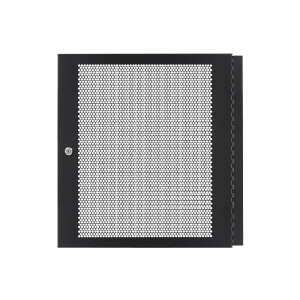
£85.00 inc VAT
£70.83 ex VAT
£70.83 ex VAT
In Stock OnlineDelivery by Wed 21st Oct
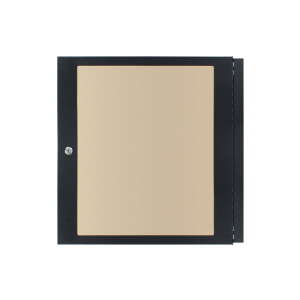
£110.00 inc VAT
£91.67 ex VAT
£91.67 ex VAT
In Stock OnlineDelivery by Wed 21st Oct
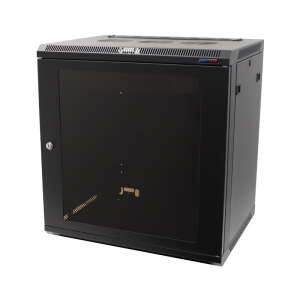
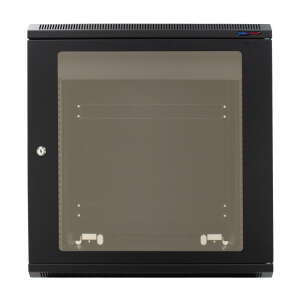
£229.00 inc VAT
£190.83 ex VAT
£190.83 ex VAT
In Stock OnlineDelivery by Wed 21st Oct
£202.00 inc VAT
£168.33 ex VAT
£168.33 ex VAT
In Stock OnlineDelivery by Wed 21st Oct
£94.00 inc VAT
£78.33 ex VAT
£78.33 ex VAT
In Stock OnlineDelivery by Wed 21st Oct
£11.00 inc VAT
£9.17 ex VAT
£9.17 ex VAT
In Stock OnlineDelivery by Wed 21st Oct
£6.00 inc VAT
£5.00 ex VAT
£5.00 ex VAT
In Stock OnlineDelivery by Wed 21st Oct

£13.00 inc VAT
£10.83 ex VAT
£10.83 ex VAT
In Stock OnlineDelivery by Wed 21st Oct
£13.00 inc VAT
£10.83 ex VAT
£10.83 ex VAT
In Stock OnlineDelivery by Wed 21st Oct
£10.00 inc VAT
£8.33 ex VAT
£8.33 ex VAT
In Stock OnlineDelivery by Wed 21st Oct
£49.00 inc VAT
£40.83 ex VAT
£40.83 ex VAT
In Stock OnlineDelivery by Wed 21st Oct
£24.00 inc VAT
£20.00 ex VAT
£20.00 ex VAT
In Stock OnlineDelivery by Wed 21st Oct
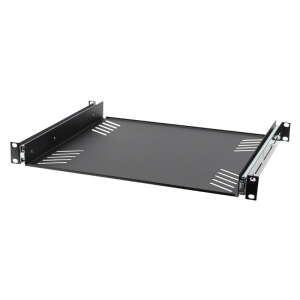
£49.00 inc VAT
£40.83 ex VAT
£40.83 ex VAT
In Stock OnlineDelivery by Wed 21st Oct
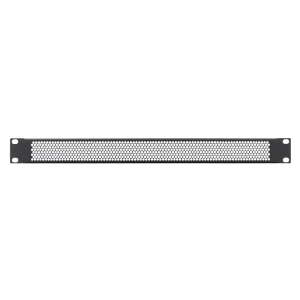
£7.00 inc VAT
£5.83 ex VAT
£5.83 ex VAT
In Stock OnlineDelivery by Wed 21st Oct
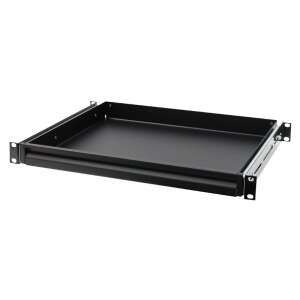
£43.00 inc VAT
£35.83 ex VAT
£35.83 ex VAT
In Stock OnlineDelivery by Wed 21st Oct
£222.00 inc VAT
£185.00 ex VAT
£185.00 ex VAT
In Stock OnlineDelivery by Wed 21st Oct
£97.00 inc VAT
£80.83 ex VAT
£80.83 ex VAT
In Stock OnlineDelivery by Wed 21st Oct
£237.00 inc VAT
£197.50 ex VAT
£197.50 ex VAT
In Stock OnlineDelivery by Wed 21st Oct
About 19 Inch Racks, Rack Panels & Drawers
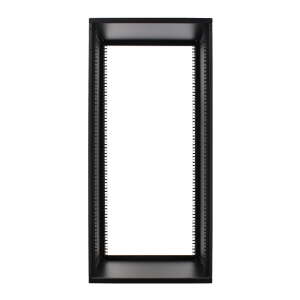
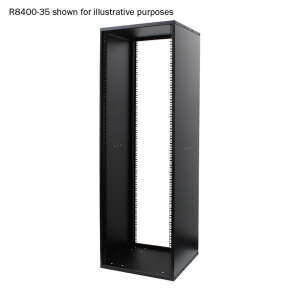
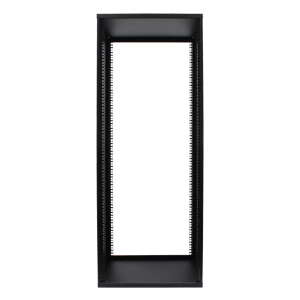
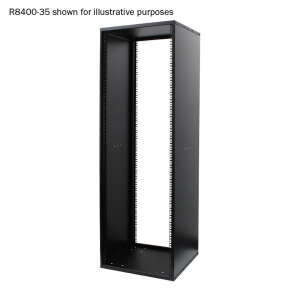
Penn Elcom 19-inch rack hardware and connectivity: punched, vented, blank and cable-access panels, mesh doors, touring-grade drawers, flat pack rack systems, D-series wall plates and the captive nuts and cup washers that hold it all together.
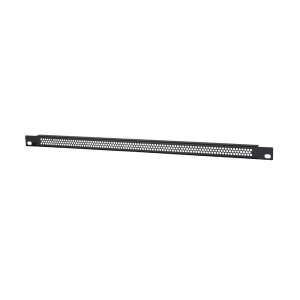
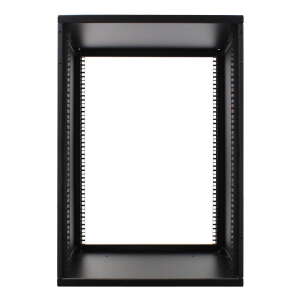
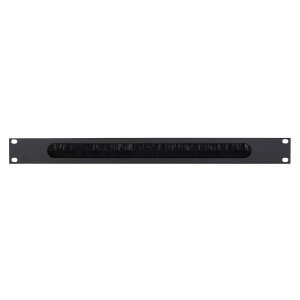
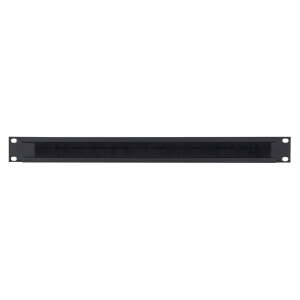
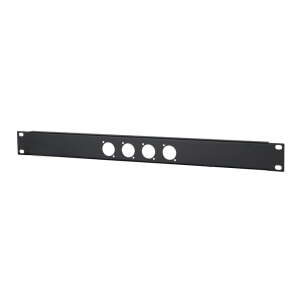
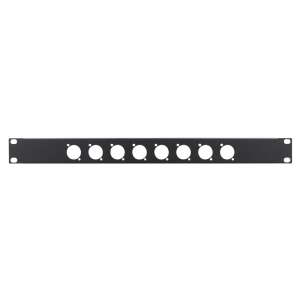
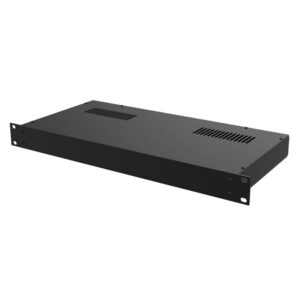
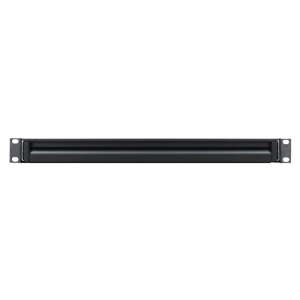
Building a tidy rack starts with the panel schedule rather than the equipment. Punched panels take standard D-series connectors, from four ways across 1U up to dozens across 3U, so a patch field can be laid out to mirror the stage plan and labelled once rather than traced every show. Vented panels keep air moving around amplifiers, blanks close the gaps so cooling air goes through the equipment instead of around it, and cable-access panels give rear looms a clean route out without the lid trapping them.
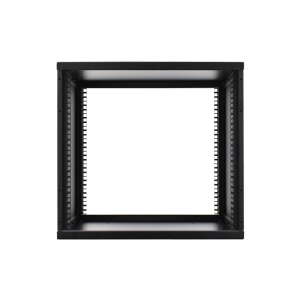
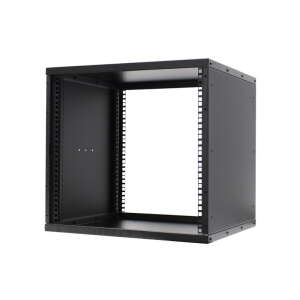
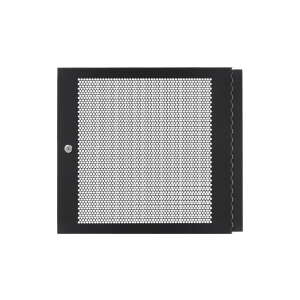
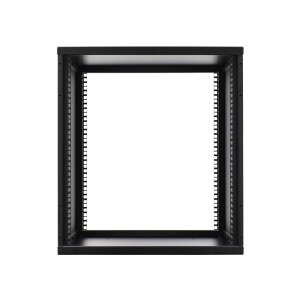
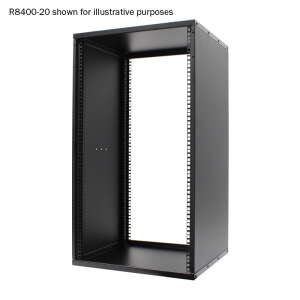
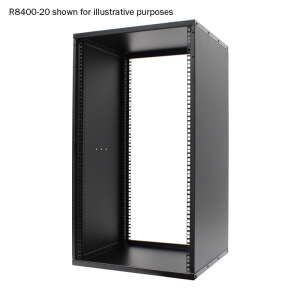
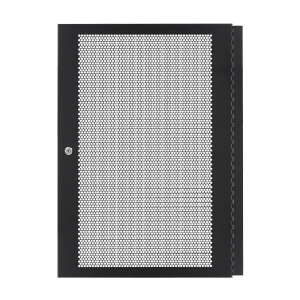
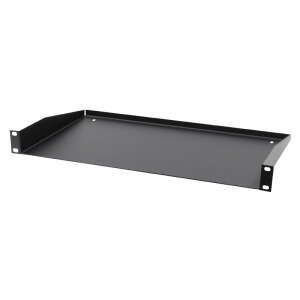
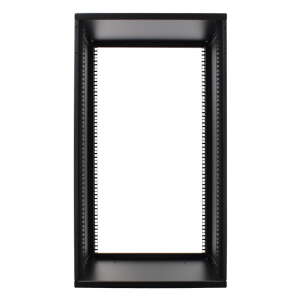
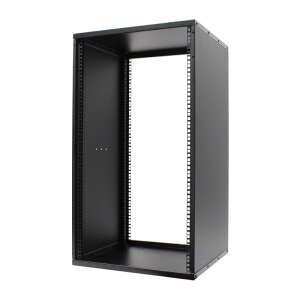
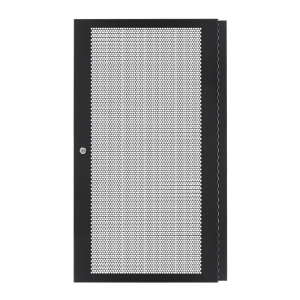
For fixed installation, flat pack rack systems and mesh doors make serviceable machine-room racks that can be built in situ, which matters when the plant room door is narrower than the rack. For touring, drawers in shallow and standard depths keep tools, spares and paperwork with the rig instead of in someone’s van.
Fixings are the part people under-order. M6 captive nuts and cup washers in trade packs cost very little and are the difference between a build that goes smoothly and one that stops halfway. Buy more than the panel count suggests, because they get dropped inside racks and are never seen again.
D-type wall plates extend the same connector format out to walls, risers and floor boxes, pairing naturally with the stage boxes and multicore hardware elsewhere in Cables & Power. Standardising on one connector family across racks, wall plates and stage boxes is what makes a venue quick to patch for a visiting engineer.
The rack building guide covers layout, spare U, powering from one inlet, ventilation and cable management, with two worked examples, and the flight cases and racks guide covers choosing the case around it.
19 Inch Racks & Accessories FAQs
Where do I start with a rack build? The panel schedule, not the equipment: lay the patch field out to mirror the stage plan on punched D-series panels, label once, and every show after is plug-by-numbers. Full method in building a rack.
Vented or blank panels? Vented over anything that makes heat, blank to close the airflow path, amplifier racks want a deliberate bottom-to-top flow, not random gaps.
What are D-series wall plates? The standard punched format taking XLR, etherCON, speakON and BNC modules, one cut-out standard across the whole patch ecosystem.



