

In Ear Monitoring & IEM Systems
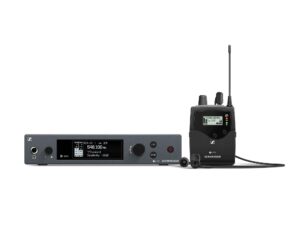
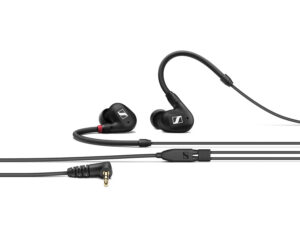
In ear monitoring from Sennheiser, Shure and Audio Technica: EW IEM G4 and XSW IEM sets, PSM bodypack receivers, IE 100 PRO earphones, tips and combiners.
Shop by brand



All products



£77.00 inc VAT
£64.17 ex VAT
£64.17 ex VAT
In Stock (Wembley)Delivery by Tue 20th Oct
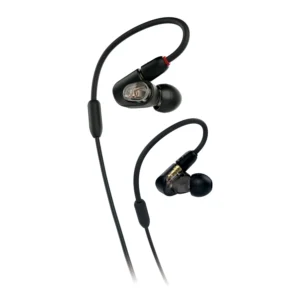
£160.00 inc VAT
£133.33 ex VAT
£133.33 ex VAT
In Stock (Wembley)Delivery by Tue 20th Oct
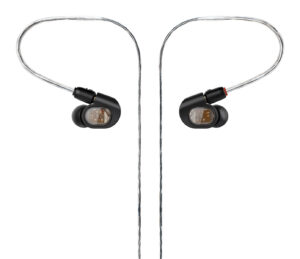
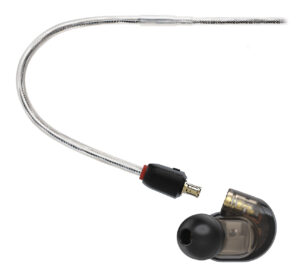
£295.00 inc VAT
£245.83 ex VAT
£245.83 ex VAT
In Stock (Wembley)FREE delivery by Tue 20th Oct
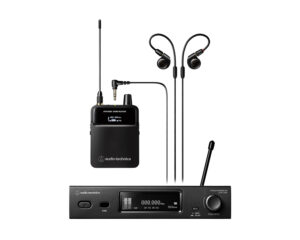
£747.00 inc VAT
£622.50 ex VAT
£622.50 ex VAT
In Stock OnlineFREE delivery by Wed 21st Oct
£448.00 inc VAT
£373.33 ex VAT
£373.33 ex VAT
In Stock OnlineFREE delivery by Wed 21st Oct
£181.00 inc VAT
£150.83 ex VAT
£150.83 ex VAT
In Stock OnlineDelivery by Wed 21st Oct
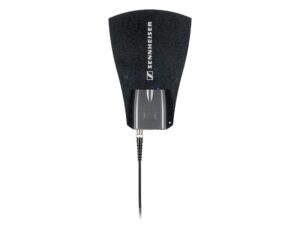
£835.00 inc VAT
£695.83 ex VAT
£695.83 ex VAT
Ordered from ManufacturerFREE delivery by Tue 10th Nov
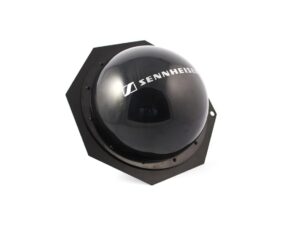
£999.00 inc VAT
£832.50 ex VAT
£832.50 ex VAT
In Stock OnlineFREE delivery by Wed 21st Oct
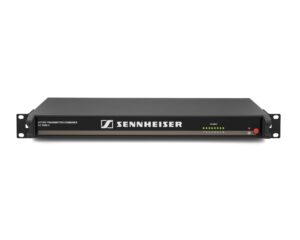
£3,649.00 inc VAT
£3,040.83 ex VAT
£3,040.83 ex VAT
Ordered from ManufacturerFREE delivery by Tue 10th Nov
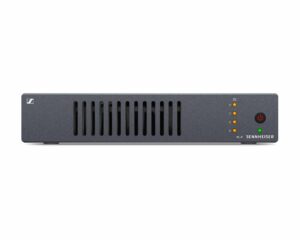
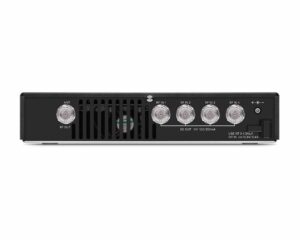
£728.00 inc VAT
£606.67 ex VAT
£606.67 ex VAT
In Stock (Wembley)FREE delivery by Tue 20th Oct
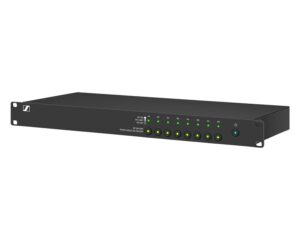
£3,673.00 inc VAT
£3,060.83 ex VAT
£3,060.83 ex VAT
Ordered from ManufacturerFREE delivery by Tue 10th Nov
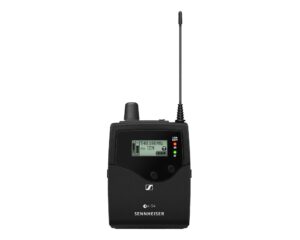

£422.00 inc VAT
£351.67 ex VAT
£351.67 ex VAT
In Stock OnlineFREE delivery by Wed 21st Oct
£524.00 inc VAT
£436.67 ex VAT
£436.67 ex VAT
Ordered from ManufacturerFREE delivery by Tue 10th Nov
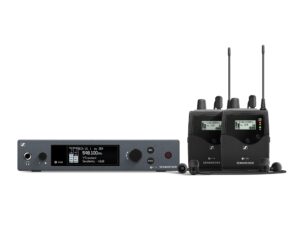
£1,220.00 inc VAT
£1,016.67 ex VAT
£1,016.67 ex VAT
In Stock OnlineFREE delivery by Wed 21st Oct
£933.00 inc VAT
£777.50 ex VAT
£777.50 ex VAT
In Stock OnlineFREE delivery by Wed 21st Oct
£324.00 inc VAT
£270.00 ex VAT
£270.00 ex VAT
In Stock OnlineFREE delivery by Wed 21st Oct
£77.00 inc VAT
£64.17 ex VAT
£64.17 ex VAT
In Stock OnlineDelivery by Wed 21st Oct
£84.00 inc VAT
£70.00 ex VAT
£70.00 ex VAT
In Stock OnlineDelivery by Wed 21st Oct
£81.00 inc VAT
£67.50 ex VAT
£67.50 ex VAT
In Stock OnlineDelivery by Wed 21st Oct
£38.00 inc VAT
£31.67 ex VAT
£31.67 ex VAT
Ordered from ManufacturerDelivery by Tue 10th Nov

£68.00 inc VAT
£56.67 ex VAT
£56.67 ex VAT
In Stock OnlineDelivery by Wed 21st Oct
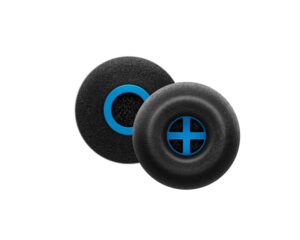
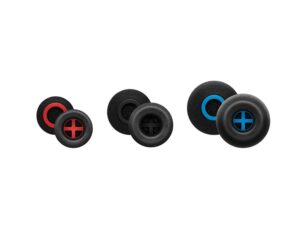
£15.00 inc VAT
£12.50 ex VAT
£12.50 ex VAT
Ordered from ManufacturerDelivery by Tue 10th Nov
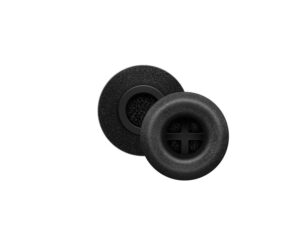
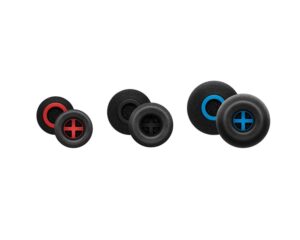
£15.00 inc VAT
£12.50 ex VAT
£12.50 ex VAT
Ordered from ManufacturerDelivery by Tue 10th Nov
£15.00 inc VAT
£12.50 ex VAT
£12.50 ex VAT
Ordered from ManufacturerDelivery by Tue 10th Nov
About In Ear Monitoring & IEM Systems
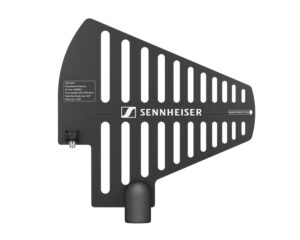
Personal monitoring for performers and engineers, split between the earphones themselves and the wireless systems that feed them. The range runs from Shure’s SE-series sound-isolating earphones, SE215 through SE846, to Sennheiser’s IEM G4 transmitters and bodypack receivers, plus the antennas, boosters and ear tips that keep it all working.
Two subcategories organise it. IEM Earphones covers the in-ear earphones, from single-driver workhorses to multi-driver flagships, and is the place to start if you already own a wireless system or run wired monitoring from a headphone amp. Wireless IEM Systems holds the transmitters, bodypack receivers, antenna hardware and accessories that make up the RF side. A working rig needs both halves, plus attention to the same band-matching rules as radio microphones: GB-band systems feature heavily here, and Channel 38 operation in the UK needs an Ofcom Shared Licence. One transmitter can feed any number of receivers tuned to the same mix, which is how bands scale a stereo feed across several musicians without adding rack units.
In-ear monitoring pairs naturally with our wireless microphone systems, and the antenna and distribution hardware is shared between the two departments.
In-Ear Monitors FAQs
Where do I start with in-ears? If you already own a wireless system or run wired monitoring, start at the earphones; building from scratch, start with a transmitter/receiver set. The whole decision, wired vs wireless, universal vs moulded, is in the in-ear monitor guide.
Do in-ears replace wedges? Increasingly, yes: quieter stages, consistent mixes and hearing protection. What changes when the wedges come down is covered in the guide, and wedge stock lives under stage monitors.



