

Staging & Stage Deck Platforms
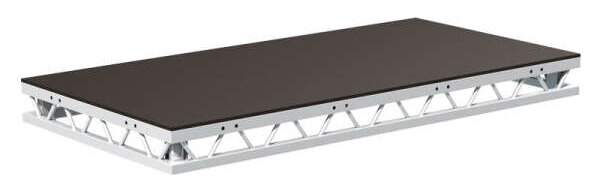
Staging from Global Truss: GT Stage Deck and Tour Deck platforms, fixed, telescopic and castor legs, stairs, handrails, skirts and DJ plinths for events.
Shop by brand



All products
Brands



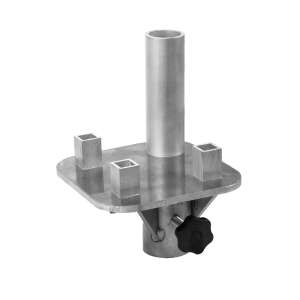
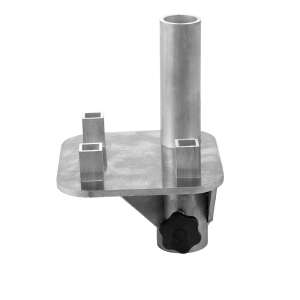
£175.00 inc VAT
£145.83 ex VAT
£145.83 ex VAT
In Stock OnlineDelivery by Wed 21st Oct
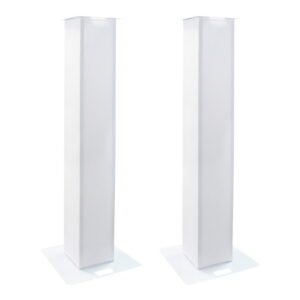
£284.00 inc VAT
£236.67 ex VAT
£236.67 ex VAT
Out of stock
£14.00 inc VAT
£11.67 ex VAT
£11.67 ex VAT
In Stock OnlineDelivery by Wed 21st Oct
£18.00 inc VAT
£15.00 ex VAT
£15.00 ex VAT
In Stock OnlineDelivery by Wed 21st Oct
£15.00 inc VAT
£12.50 ex VAT
£12.50 ex VAT
In Stock OnlineDelivery by Wed 21st Oct
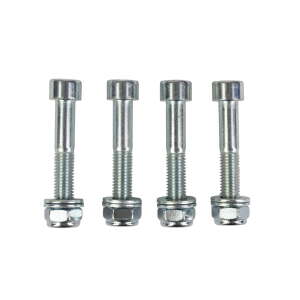
£6.00 inc VAT
£5.00 ex VAT
£5.00 ex VAT
In Stock OnlineDelivery by Wed 21st Oct
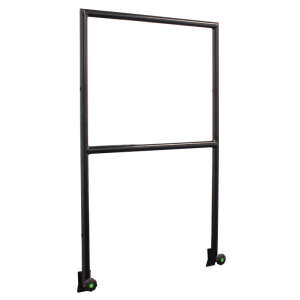
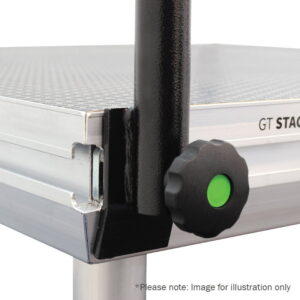
£88.00 inc VAT
£73.33 ex VAT
£73.33 ex VAT
On BackorderDelivery by Wed 11th Nov
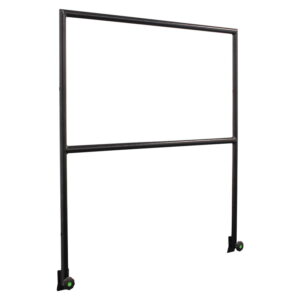
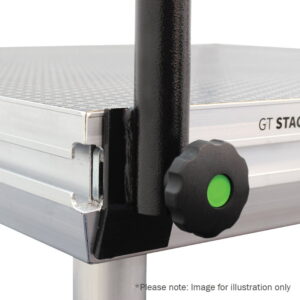
£92.00 inc VAT
£76.67 ex VAT
£76.67 ex VAT
In Stock OnlineDelivery by Wed 21st Oct
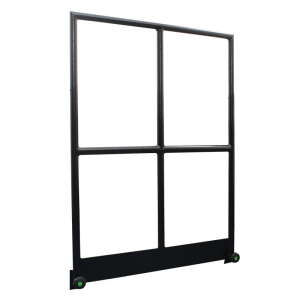
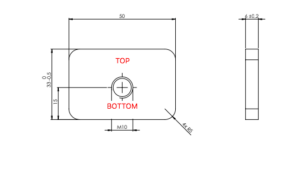
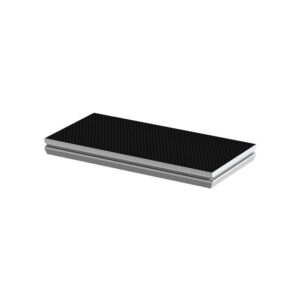
£188.00 inc VAT
£156.67 ex VAT
£156.67 ex VAT
In Stock OnlineDelivery by Wed 21st Oct
£273.00 inc VAT
£227.50 ex VAT
£227.50 ex VAT
In Stock OnlineFREE delivery by Wed 21st Oct
£456.00 inc VAT
£380.00 ex VAT
£380.00 ex VAT
In Stock OnlineDelivery by Wed 21st Oct
£622.00 inc VAT
£518.33 ex VAT
£518.33 ex VAT
On BackorderDelivery by Tue 24th Nov
£434.00 inc VAT
£361.67 ex VAT
£361.67 ex VAT
In Stock OnlineDelivery by Wed 21st Oct
£267.00 inc VAT
£222.50 ex VAT
£222.50 ex VAT
In Stock OnlineDelivery by Wed 21st Oct
£267.00 inc VAT
£222.50 ex VAT
£222.50 ex VAT
In Stock OnlineDelivery by Wed 21st Oct
£70.00 inc VAT
£58.33 ex VAT
£58.33 ex VAT
In Stock OnlineDelivery by Wed 21st Oct
£26.00 inc VAT
£21.67 ex VAT
£21.67 ex VAT
In Stock OnlineDelivery by Wed 21st Oct
£30.00 inc VAT
£25.00 ex VAT
£25.00 ex VAT
In Stock OnlineDelivery by Wed 21st Oct
£122.00 inc VAT
£101.67 ex VAT
£101.67 ex VAT
Out of stock
£179.00 inc VAT
£149.17 ex VAT
£149.17 ex VAT
Out of stock
£44.00 inc VAT
£36.67 ex VAT
£36.67 ex VAT
In Stock OnlineDelivery by Wed 21st Oct
£80.00 inc VAT
£66.67 ex VAT
£66.67 ex VAT
In Stock OnlineDelivery by Wed 21st Oct
£42.00 inc VAT
£35.00 ex VAT
£35.00 ex VAT
In Stock OnlineDelivery by Wed 21st Oct
About Staging & Stage Deck Platforms
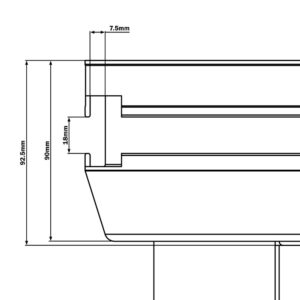
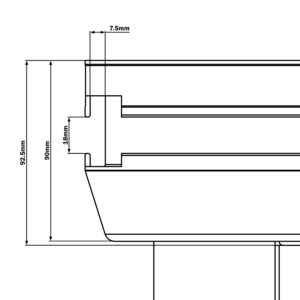
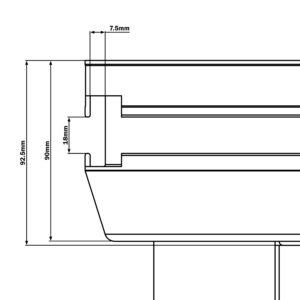
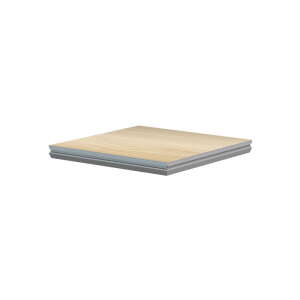
Modular stage decking from Global Truss makes up the bulk of this category, split between the GT Stage Deck system and the lighter GT Tour Deck range, along with everything needed to turn bare platforms into a finished stage: legs, stairs, handrails, skirts and the small hardware that holds it all together.
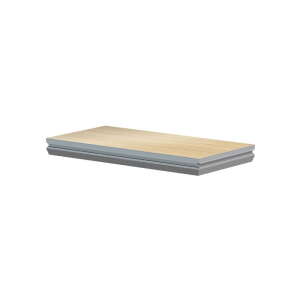
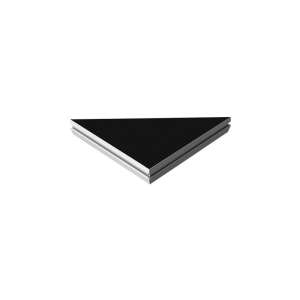
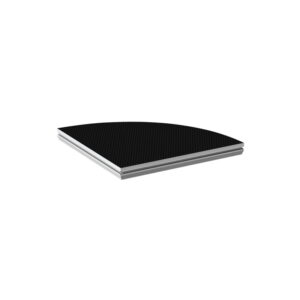
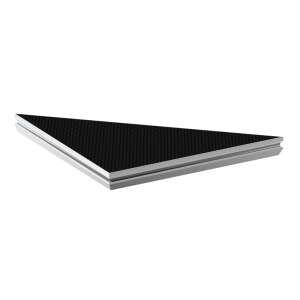
The two systems suit different lives. GT Stage Deck platforms come in Hexa and wood finishes across metric and imperial sizes, including triangles, quadrants and full circles for thrusts and curved edges, and take square or round legs in fixed, telescopic and castor versions. Tour Deck is built for repeated load-ins where weight and speed matter most, and rewards standardising on one size rather than collecting odd platforms.
Work in a sensible order. Set the platform layout first, from sightlines and the acts using it rather than from the room’s dimensions, then choose legs to set the height: fixed legs where the height never changes, telescopic where the venue floor or the design varies, castor legs for rolling risers that get pushed on and off. Add stairs matched to the finished deck height, handrails wherever the edges and your risk assessment call for them, and skirting to close off the understage, which does more for how a stage reads from the floor than anything else at this price.
Accessories and replacement parts are worth ordering with the decks rather than after. Leg clamps, levellers, bolts and caps are what keep a hire stock working years in, and a handful of spares in the trailer avoids a job being held up by a missing part that costs very little.
On scope: we supply decks, legs and hardware with the manufacturer’s own documentation. We do not publish load figures or build instruction, because loading, spans, ground conditions and access are specific to the job and belong with the person responsible for signing the build off. That applies to raised stages and anything with public access underneath.
The portable staging guide covers deck systems, leg choices, access and the practical questions about build time and storage, and the pipe and drape guide covers dressing the space around it.
Staging FAQs
Stage Deck or Tour Deck? GT Stage Deck for installed and semi-permanent builds with finish options and shaped platforms; Tour Deck where weight and load-in speed matter most. Compared in the portable staging guide.
What height legs do I need? Fixed legs for a known height, telescopic for venues that change, castors for moving built sections. Standard performance stages sit at 400-600 mm; risers and tiers go lower.
What finishes a stage properly? Stairs with handrails, edge skirts and guardrails where drops demand them, all in this section, sized to the deck system.



