





£170.00 inc VAT
£141.67 ex VAT
£141.67 ex VAT
In Stock (Wembley)Delivery by Tue 20th Oct
£170.00 inc VAT
£141.67 ex VAT
£141.67 ex VAT
In Stock OnlineDelivery by Wed 21st Oct
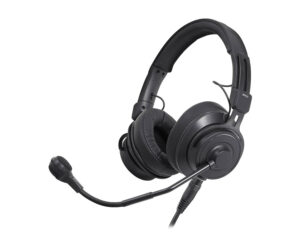
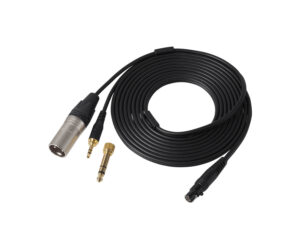
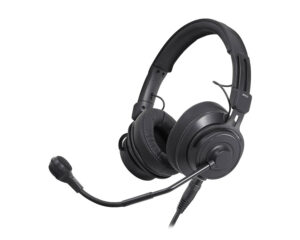
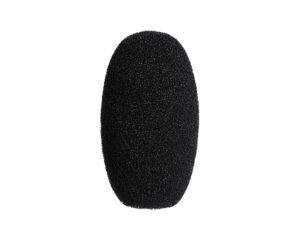
£255.00 inc VAT
£212.50 ex VAT
£212.50 ex VAT
In Stock OnlineFREE delivery by Wed 21st Oct
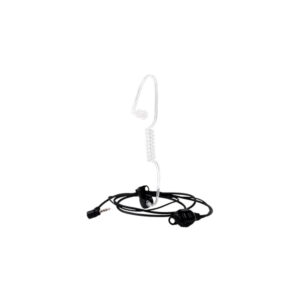
Enquire for price
In Stock OnlineDelivery by Wed 21st Oct
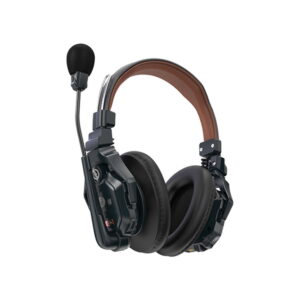
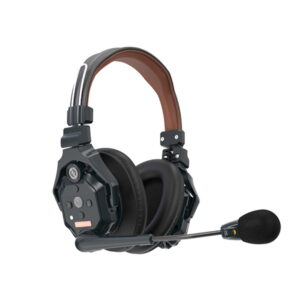
£480.00 inc VAT
£400.00 ex VAT
£400.00 ex VAT
In Stock OnlineFREE delivery by Wed 21st Oct
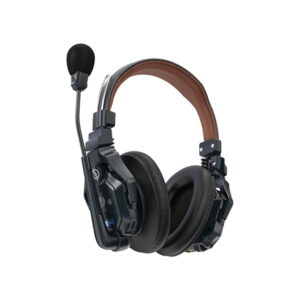
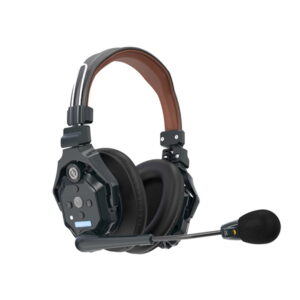
£443.00 inc VAT
£369.17 ex VAT
£369.17 ex VAT
In Stock OnlineFREE delivery by Wed 21st Oct
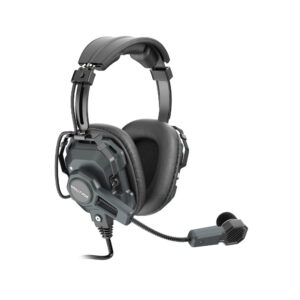
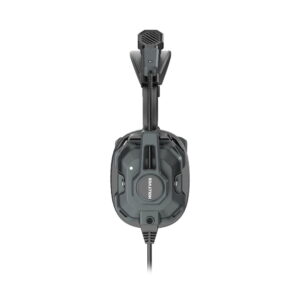
£308.00 inc VAT
£256.67 ex VAT
£256.67 ex VAT
On BackorderFREE delivery by Wed 18th Nov
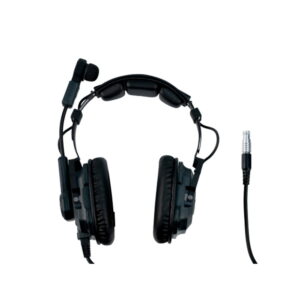
£353.00 inc VAT
£294.17 ex VAT
£294.17 ex VAT
In Stock OnlineFREE delivery by Wed 21st Oct
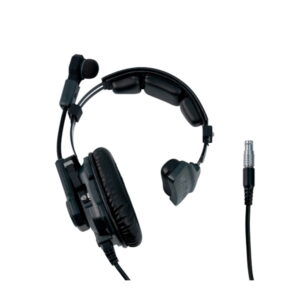
Enquire for price
In Stock OnlineDelivery by Wed 21st Oct
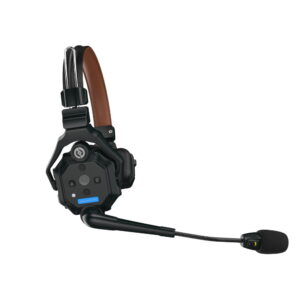
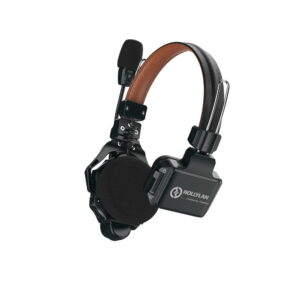
£353.00 inc VAT
£294.17 ex VAT
£294.17 ex VAT
On BackorderFREE delivery by Wed 18th Nov
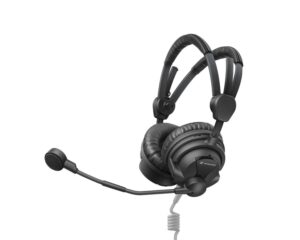
£421.00 inc VAT
£350.83 ex VAT
£350.83 ex VAT
Ordered from ManufacturerFREE delivery by Tue 10th Nov
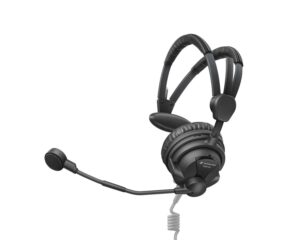
£395.00 inc VAT
£329.17 ex VAT
£329.17 ex VAT
Ordered from ManufacturerFREE delivery by Tue 10th Nov
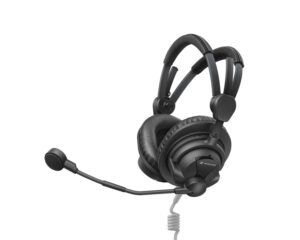
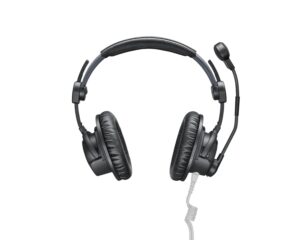
£482.00 inc VAT
£401.67 ex VAT
£401.67 ex VAT
Ordered from ManufacturerFREE delivery by Tue 10th Nov
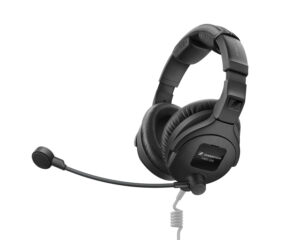
£264.00 inc VAT
£220.00 ex VAT
£220.00 ex VAT
Ordered from ManufacturerFREE delivery by Tue 10th Nov
£224.00 inc VAT
£186.67 ex VAT
£186.67 ex VAT
Ordered from ManufacturerDelivery by Tue 10th Nov
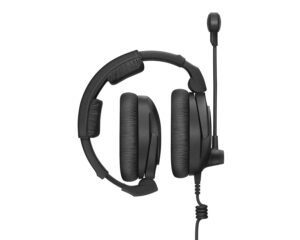
£332.00 inc VAT
£276.67 ex VAT
£276.67 ex VAT
Ordered from ManufacturerFREE delivery by Tue 10th Nov
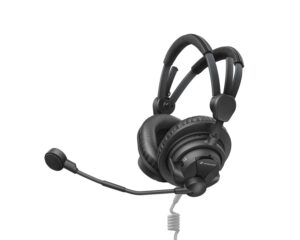
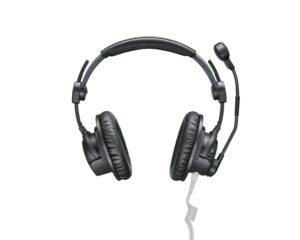
£569.00 inc VAT
£474.17 ex VAT
£474.17 ex VAT
Ordered from ManufacturerFREE delivery by Tue 10th Nov
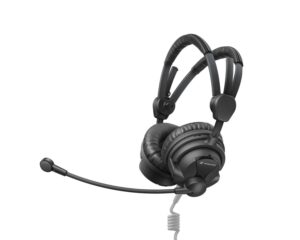
£405.00 inc VAT
£337.50 ex VAT
£337.50 ex VAT
Ordered from ManufacturerFREE delivery by Tue 10th Nov
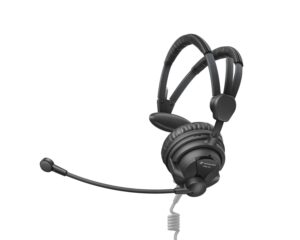
£434.00 inc VAT
£361.67 ex VAT
£361.67 ex VAT
Ordered from ManufacturerFREE delivery by Tue 10th Nov
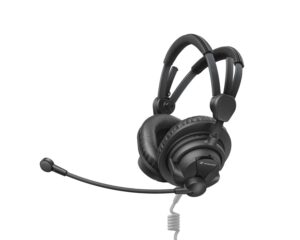
£438.00 inc VAT
£365.00 ex VAT
£365.00 ex VAT
Ordered from ManufacturerFREE delivery by Tue 10th Nov
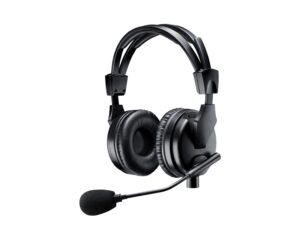
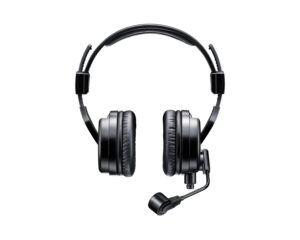
£402.00 inc VAT
£335.00 ex VAT
£335.00 ex VAT
Ordered from ManufacturerFREE delivery by Tue 10th Nov
About Broadcast Headsets & Intercom Headsets
Intercom and broadcast headsets for stage managers, show callers, commentators and camera operators, drawing on Shure’s BRH series and Sennheiser’s HMD, HME and HMDC ranges alongside Audio Technica. These are working comms tools rather than consumer headsets: closed designs, boom-mounted noise-rejecting microphones and build quality intended for nightly professional use.
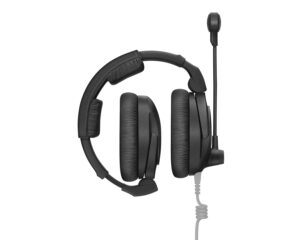
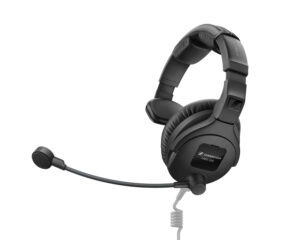
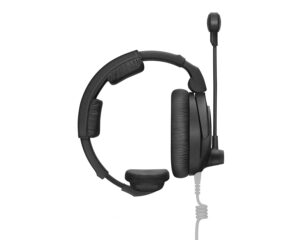
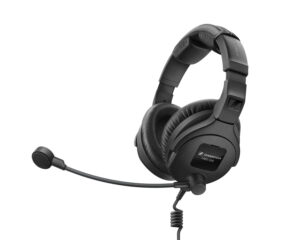
Start by choosing between single-sided and dual-sided designs. Single-sided models such as the Shure BRH441M and Sennheiser HMD 300 S keep one ear on the room, which callers and camera operators generally prefer, while dual-sided sets suit commentary booths and loud environments where isolation matters. Then look at the microphone: dynamic capsules, as used across the HMD and HMDC models, handle high ambient noise well, while condenser versions such as the HME 27 trade some rejection for a cleaner broadcast vocal. Finally, sort out termination before ordering. Several Shure BRH models are supplied without a cable by design, and the cabled BRH31M comes in 4-pin male, 4-pin female and 5-pin XLR variants to match different intercom beltpacks and broadcast consoles.
If you are kitting out a full comms position, add a spare cable from the Accessories section at the same time; they always fail mid-run, never in the workshop.
Intercom & Broadcast Headsets FAQs
Single-sided or dual-sided? Single-sided (stage managers, callers) keeps an ear on the show; dual-sided isolates noisy positions. Boom mics here are noise-rejecting by design, the point of a comms headset over any consumer set.
Sennheiser HMD or Shure BRH? Both are broadcast-grade; check the cable termination against your intercom system, replacement cables under Accessories keep fleets alive.



