







£158.00 inc VAT
£131.67 ex VAT
£131.67 ex VAT
In Stock OnlineDelivery by Wed 21st Oct
£238.00 inc VAT
£198.33 ex VAT
£198.33 ex VAT
In Stock (Wembley)Delivery by Tue 20th Oct
£259.00 inc VAT
£215.83 ex VAT
£215.83 ex VAT
Out of stock
£249.00 inc VAT
£207.50 ex VAT
£207.50 ex VAT
In Stock OnlineDelivery by Wed 21st Oct
£331.00 inc VAT
£275.83 ex VAT
£275.83 ex VAT
Out of stock
£97.00 inc VAT
£80.83 ex VAT
£80.83 ex VAT
In Stock OnlineDelivery by Wed 21st Oct
£79.00 inc VAT
£65.83 ex VAT
£65.83 ex VAT
In Stock OnlineDelivery by Wed 21st Oct

£92.00 inc VAT
£76.67 ex VAT
£76.67 ex VAT
In Stock OnlineDelivery by Wed 21st Oct
£144.00 inc VAT
£120.00 ex VAT
£120.00 ex VAT
In Stock (Wembley)Delivery by Tue 20th Oct
£205.00 inc VAT
£170.83 ex VAT
£170.83 ex VAT
In Stock (Wembley)Delivery by Tue 20th Oct
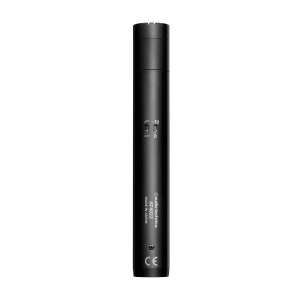
£325.00 inc VAT
£270.83 ex VAT
£270.83 ex VAT
In Stock OnlineFREE delivery by Wed 21st Oct
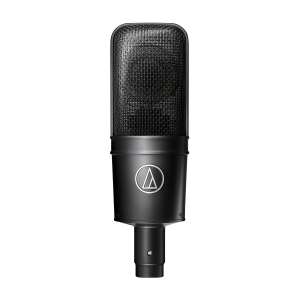
£400.00 inc VAT
£333.33 ex VAT
£333.33 ex VAT
In Stock OnlineFREE delivery by Wed 21st Oct
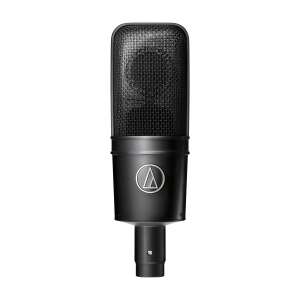
£395.00 inc VAT
£329.17 ex VAT
£329.17 ex VAT
In Stock OnlineFREE delivery by Wed 21st Oct
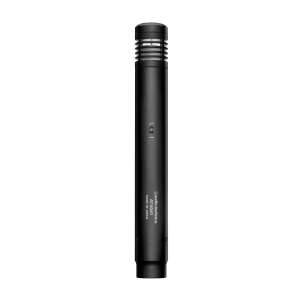
£255.00 inc VAT
£212.50 ex VAT
£212.50 ex VAT
In Stock OnlineFREE delivery by Wed 21st Oct
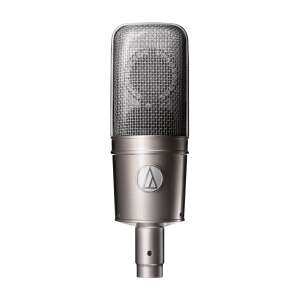
£594.00 inc VAT
£495.00 ex VAT
£495.00 ex VAT
In Stock OnlineFREE delivery by Wed 21st Oct
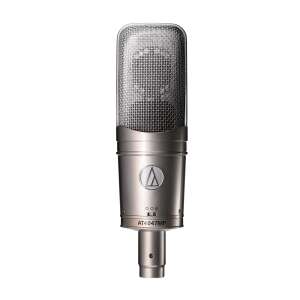
£640.00 inc VAT
£533.33 ex VAT
£533.33 ex VAT
On BackorderFREE delivery by Thu 3rd Dec
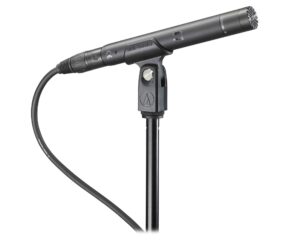
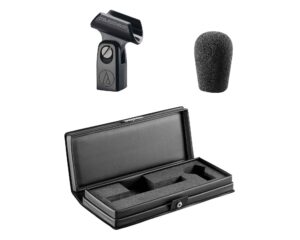
£444.00 inc VAT
£370.00 ex VAT
£370.00 ex VAT
On BackorderFREE delivery by Tue 9th Feb
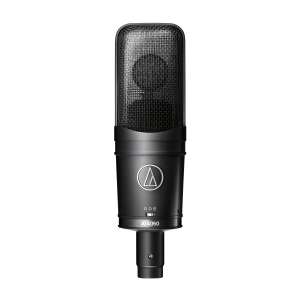
£649.00 inc VAT
£540.83 ex VAT
£540.83 ex VAT
In Stock OnlineFREE delivery by Wed 21st Oct
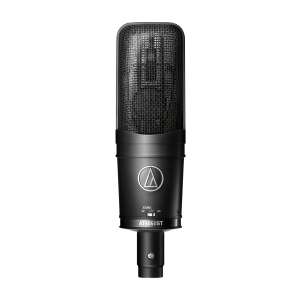
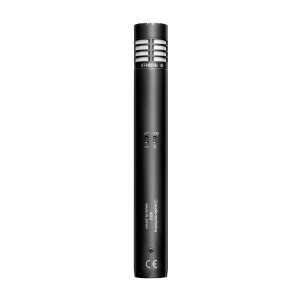
£428.00 inc VAT
£356.67 ex VAT
£356.67 ex VAT
On BackorderFREE delivery by Wed 13th Jan
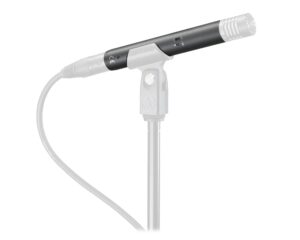
£285.00 inc VAT
£237.50 ex VAT
£237.50 ex VAT
In Stock OnlineFREE delivery by Wed 21st Oct
About Condenser Microphones
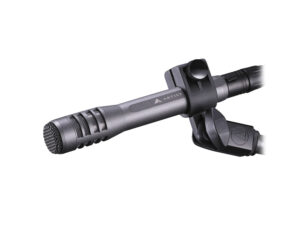
Phantom-powered condenser microphones for installation, stage and studio, spanning boundary and hanging models for conference tables and choirs, small-diaphragm instrument microphones such as the Audio Technica AT4053B, drum condensers including the Shure BETA 98AD/C, and large-diaphragm studio options from sE Electronics, Neumann and AKG.
Start from the job rather than the specification sheet. Boundary microphones sit flat on tables and stage floors and use the surface itself as part of the pickup, which suits meeting rooms and theatre floats. Hanging models cover choirs and stages from above, where a stand would be in shot or in the way. Clip-on drum condensers need mounts matched to the hardware they grip, and gain structure matters as much as placement because they sit very close to a loud source.
For instrument and studio work the decisions are diaphragm size and polar pattern. Small-diaphragm cardioids and hypercardioids give precise, consistent off-axis response, which is what you want for acoustic instruments, overheads and spot duty where the microphone must reject as much as it collects. Large-diaphragm models present a bigger, flattering sound and suit voice work. Multi-pattern models buy flexibility at the cost of one more decision to get right on the night.
Every microphone in this category needs power, almost always 48V phantom, and this is where installed systems come unstuck. Some compact mixers, recorders and bodypack inputs label a socket 48V while supplying less voltage or current than the microphone specifies, and the symptom is thin, distorted audio rather than silence, which sends people looking at the wrong thing. Check what your desk or stagebox actually delivers on the channels you plan to use.
For distant pickup, low self-noise and high sensitivity matter more than a wide frequency response figure, because you will be adding a great deal of gain. Modular heads for many of the installation models live in the capsules category, and matched pairs are listed where the manufacturer offers them.
Related reading: choosing live microphones covers the dynamic and condenser decision, phantom power explained covers P12, P24 and P48, and the conference microphone guide covers installed speech.
Condenser Microphones FAQs
What do condensers need that dynamics do not? Phantom power (48V from the desk or interface) and gentler handling. In exchange: detail, reach and a lower noise floor. Basics in phantom power explained.
Boundary, hanging or stand-mounted? Pick by the job: boundary mics use the table or floor itself for meeting rooms and theatre floats, hanging models cover choirs where stands would intrude, small-diaphragm instruments and large-diaphragm studio vocals take stands.
Will a studio condenser work live? It can, but feedback margin and handling noise make dynamics the safer stage default, see choosing live microphones.



