





















Brands
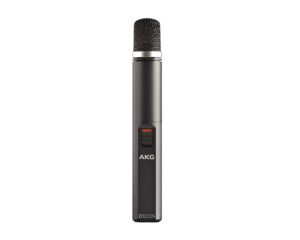
 AKGAKG 1
 Audio TechnicaAudio Technica 238
 AudixAudix 1
 BiampBiamp 15
 BSSBSS 1
 CloudCloud 7
 DynacordDynacord 1
 EclerEcler 1
 GravityGravity 10
 HOLLYLANDHOLLYLAND 2
 Interspace IndustriesInterspace Industries 2
- K&M 1
 NeumannNeumann 7
 Optimal AudioOptimal Audio 1
 PalmerPalmer 3
 sE ElectronicssE Electronics 103
 SennheiserSennheiser 376
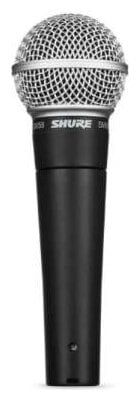
 ShureShure 456
 TascamTascam 1
 TOATOA 10
 VocalzoneVocalzone 6
 W AudioW Audio 4
£158.00 inc VAT
£131.67 ex VAT
£131.67 ex VAT
In Stock OnlineDelivery by Wed 21st Oct
£223.00 inc VAT
£185.83 ex VAT
£185.83 ex VAT
In Stock OnlineDelivery by Wed 21st Oct
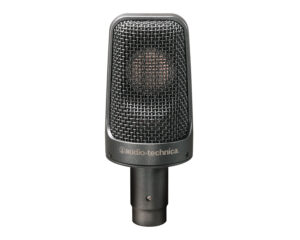
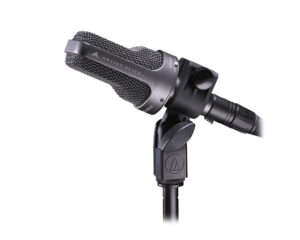
£238.00 inc VAT
£198.33 ex VAT
£198.33 ex VAT
In Stock (Wembley)Delivery by Tue 20th Oct
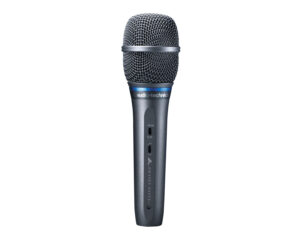
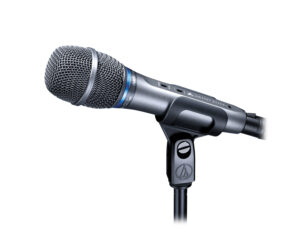
£259.00 inc VAT
£215.83 ex VAT
£215.83 ex VAT
Out of stock
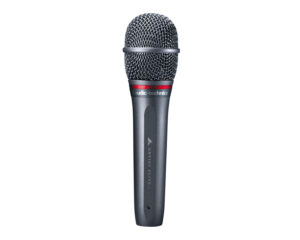
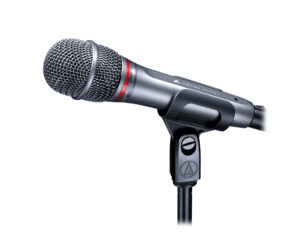
£167.00 inc VAT
£139.17 ex VAT
£139.17 ex VAT
In Stock OnlineDelivery by Wed 21st Oct
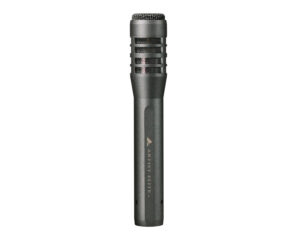
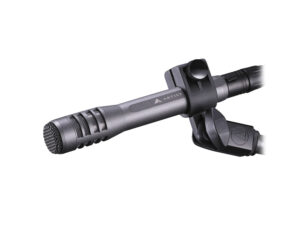
£249.00 inc VAT
£207.50 ex VAT
£207.50 ex VAT
In Stock OnlineDelivery by Wed 21st Oct
£331.00 inc VAT
£275.83 ex VAT
£275.83 ex VAT
Out of stock
£167.00 inc VAT
£139.17 ex VAT
£139.17 ex VAT
In Stock (Wembley)Delivery by Tue 20th Oct
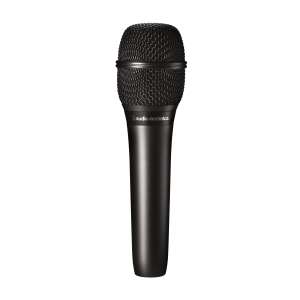
£97.00 inc VAT
£80.83 ex VAT
£80.83 ex VAT
In Stock OnlineDelivery by Wed 21st Oct
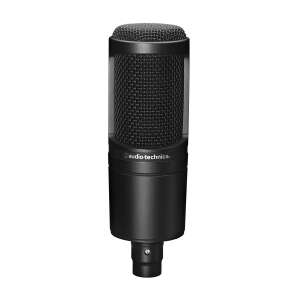
£79.00 inc VAT
£65.83 ex VAT
£65.83 ex VAT
In Stock OnlineDelivery by Wed 21st Oct

£92.00 inc VAT
£76.67 ex VAT
£76.67 ex VAT
In Stock OnlineDelivery by Wed 21st Oct
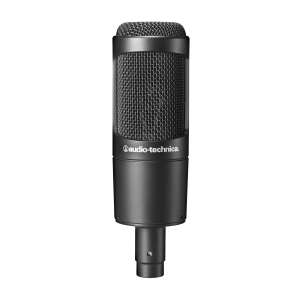
£144.00 inc VAT
£120.00 ex VAT
£120.00 ex VAT
In Stock (Wembley)Delivery by Tue 20th Oct
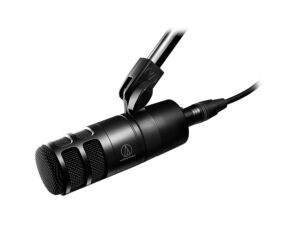
£78.00 inc VAT
£65.00 ex VAT
£65.00 ex VAT
In Stock (Wembley)Delivery by Tue 20th Oct
£205.00 inc VAT
£170.83 ex VAT
£170.83 ex VAT
In Stock (Wembley)Delivery by Tue 20th Oct
£325.00 inc VAT
£270.83 ex VAT
£270.83 ex VAT
In Stock OnlineFREE delivery by Wed 21st Oct
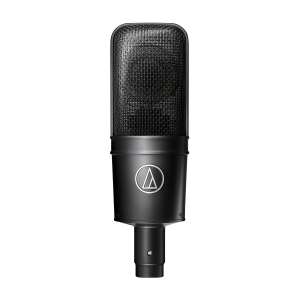
£400.00 inc VAT
£333.33 ex VAT
£333.33 ex VAT
In Stock OnlineFREE delivery by Wed 21st Oct
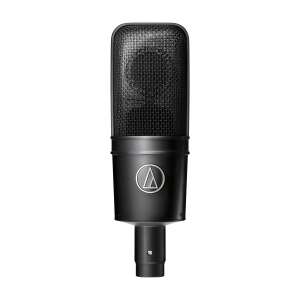
£395.00 inc VAT
£329.17 ex VAT
£329.17 ex VAT
In Stock OnlineFREE delivery by Wed 21st Oct
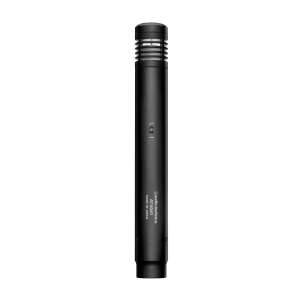
£255.00 inc VAT
£212.50 ex VAT
£212.50 ex VAT
In Stock OnlineFREE delivery by Wed 21st Oct
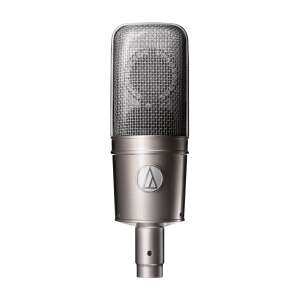
£594.00 inc VAT
£495.00 ex VAT
£495.00 ex VAT
In Stock OnlineFREE delivery by Wed 21st Oct
£640.00 inc VAT
£533.33 ex VAT
£533.33 ex VAT
On BackorderFREE delivery by Thu 3rd Dec
£444.00 inc VAT
£370.00 ex VAT
£370.00 ex VAT
On BackorderFREE delivery by Tue 9th Feb
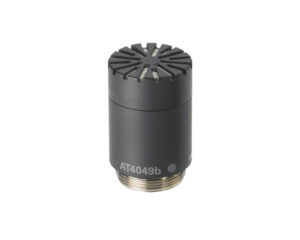
£184.00 inc VAT
£153.33 ex VAT
£153.33 ex VAT
Out of stock
About Microphones & DI Boxes
The largest microphone range in the catalogue, from workhorse dynamic vocal mics to broadcast lavaliers, studio condensers, conference systems and DI boxes. Audio Technica and Shure dominate the shelves, with Sennheiser, Neumann, AKG, Audix and sE Electronics covering the rest, and wireless extending the section from the stage into boardrooms, lecture theatres and council chambers.
The sub-categories split by transducer type and by application. Dynamic and Condenser form the working divide: dynamics for loud sources and rough handling, condensers where detail, reach and a quieter noise floor matter. Ribbon sits alongside them for a smoother top end on brass, strings and guitar cabs. Lavalier & Headset Microphones and Gooseneck Microphones serve theatre, lecterns and installed speech, Conference & Paging Microphones covers managed meeting audio, Boundary Microphones handle table and floor pickup, USB Microphones handle desktop recording and streaming, and Microphone Capsules lets you fit a preferred head to wireless handhelds you already own. DI Boxes covers the boxes that turn an instrument or a laptop into something a mic input can use, including specialist hum eliminators such as the Interspace Industries Balance Box. Accessories carries the clips, hangers, pouches and windshields that keep the rest working.
Polar pattern is the specification most often skipped and most often responsible for the problem on stage. Decide what the microphone has to reject before worrying about what it should pick up: a supercardioid aimed correctly will beat a better cardioid pointed carelessly, and the null is a tool rather than a side effect. Our microphone buying guide covers the dynamic and condenser decision properly, and the SM58 vs Beta 58A vs Nexadyne comparison settles the most cross-shopped question in the section.
Two practical points come up constantly. Condensers need phantom power and some inputs labelled 48V do not deliver the full current, which is covered along with DI boxes in the phantom power guide. And for anything radio, check the frequency band before the model: GB-band Channel 38 kit runs under an Ofcom shared licence, other bands need coordinated licensing, and the band decides where the system can legally work.
For fixed installs, the conference and gooseneck guide covers speech systems that have to work without an operator. For bands, the drum miking guide works through three, five, seven and ten microphone plans and the phase decisions that come with them.
Microphones & DI Boxes FAQs
Dynamic or condenser? Dynamics for loud sources, rough handling and no phantom power, the live default. Condensers where detail, reach and a low noise floor matter: studios, conference tables, choirs. The full logic is in choosing live microphones.
Which vocal mic should I actually buy? For most stages the shortlist is the Shure SM58, BETA 58 or Nexadyne, compared honestly here, with the sE V7 the strongest challenger at the price.
What does a DI box do? It converts an unbalanced instrument or line signal to a clean balanced feed for the desk and breaks ground loops. Details in phantom power and DI boxes.



