

Wireless In Ear Monitor Systems
Wireless in ear monitor systems from Sennheiser, Shure and Audio Technica: PSM 300, EW IEM G4 and XSW IEM sets, transmitters, bodypacks, antennas, combiners.
Shop by brand



All products



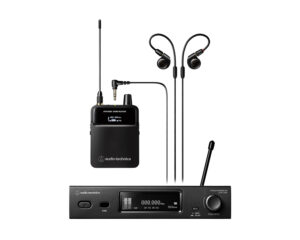
£747.00 inc VAT
£622.50 ex VAT
£622.50 ex VAT
In Stock OnlineFREE delivery by Wed 21st Oct
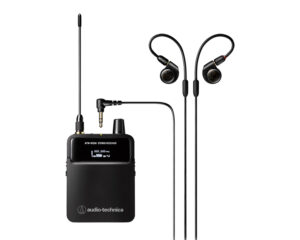
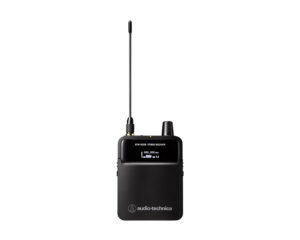
£448.00 inc VAT
£373.33 ex VAT
£373.33 ex VAT
In Stock OnlineFREE delivery by Wed 21st Oct
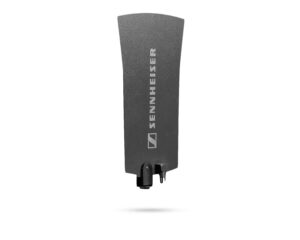
£181.00 inc VAT
£150.83 ex VAT
£150.83 ex VAT
In Stock OnlineDelivery by Wed 21st Oct
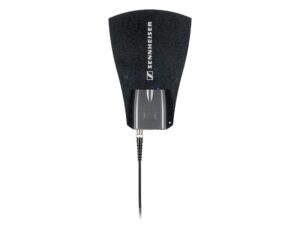
£835.00 inc VAT
£695.83 ex VAT
£695.83 ex VAT
Ordered from ManufacturerFREE delivery by Tue 10th Nov

£999.00 inc VAT
£832.50 ex VAT
£832.50 ex VAT
In Stock OnlineFREE delivery by Wed 21st Oct
£3,649.00 inc VAT
£3,040.83 ex VAT
£3,040.83 ex VAT
Ordered from ManufacturerFREE delivery by Tue 10th Nov
£728.00 inc VAT
£606.67 ex VAT
£606.67 ex VAT
In Stock (Wembley)FREE delivery by Tue 20th Oct
£3,673.00 inc VAT
£3,060.83 ex VAT
£3,060.83 ex VAT
Ordered from ManufacturerFREE delivery by Tue 10th Nov

£422.00 inc VAT
£351.67 ex VAT
£351.67 ex VAT
In Stock OnlineFREE delivery by Wed 21st Oct
£524.00 inc VAT
£436.67 ex VAT
£436.67 ex VAT
Ordered from ManufacturerFREE delivery by Tue 10th Nov
£1,220.00 inc VAT
£1,016.67 ex VAT
£1,016.67 ex VAT
In Stock OnlineFREE delivery by Wed 21st Oct
£933.00 inc VAT
£777.50 ex VAT
£777.50 ex VAT
In Stock OnlineFREE delivery by Wed 21st Oct
£324.00 inc VAT
£270.00 ex VAT
£270.00 ex VAT
In Stock OnlineFREE delivery by Wed 21st Oct
£38.00 inc VAT
£31.67 ex VAT
£31.67 ex VAT
Ordered from ManufacturerDelivery by Tue 10th Nov
£15.00 inc VAT
£12.50 ex VAT
£12.50 ex VAT
Ordered from ManufacturerDelivery by Tue 10th Nov
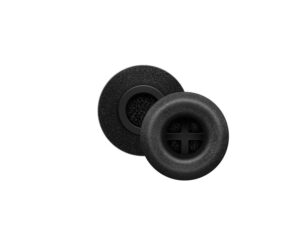
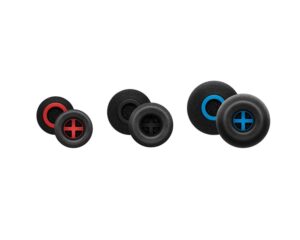
£15.00 inc VAT
£12.50 ex VAT
£12.50 ex VAT
Ordered from ManufacturerDelivery by Tue 10th Nov
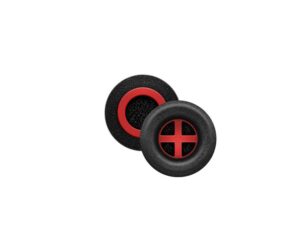
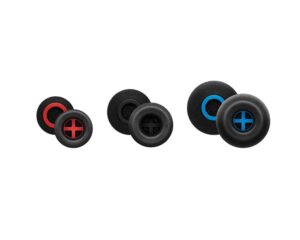
£15.00 inc VAT
£12.50 ex VAT
£12.50 ex VAT
Ordered from ManufacturerDelivery by Tue 10th Nov
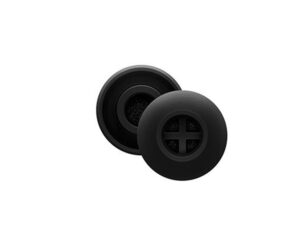
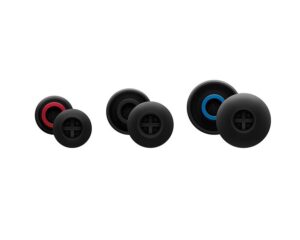
£14.00 inc VAT
£11.67 ex VAT
£11.67 ex VAT
In Stock (Wembley)Delivery by Tue 20th Oct
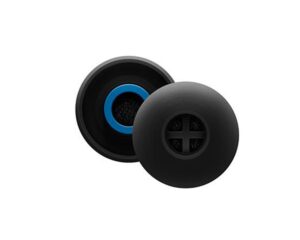
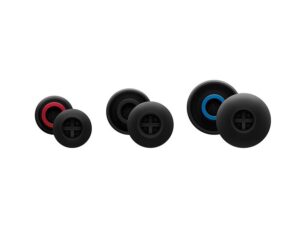
£14.00 inc VAT
£11.67 ex VAT
£11.67 ex VAT
In Stock OnlineDelivery by Wed 21st Oct
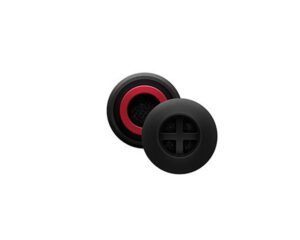
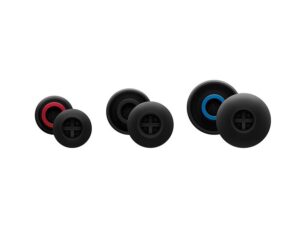
£14.00 inc VAT
£11.67 ex VAT
£11.67 ex VAT
Ordered from ManufacturerDelivery by Tue 10th Nov
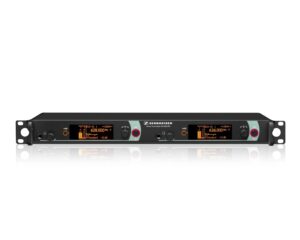
£1,555.00 inc VAT
£1,295.83 ex VAT
£1,295.83 ex VAT
Ordered from ManufacturerFREE delivery by Tue 10th Nov
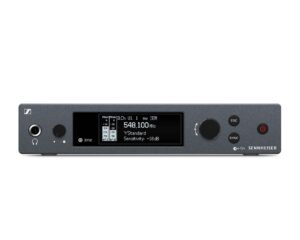
£499.00 inc VAT
£415.83 ex VAT
£415.83 ex VAT
In Stock (Wembley)FREE delivery by Tue 20th Oct
£10.00 inc VAT
£8.33 ex VAT
£8.33 ex VAT
Ordered from ManufacturerDelivery by Tue 10th Nov
£10.00 inc VAT
£8.33 ex VAT
£8.33 ex VAT
Ordered from ManufacturerDelivery by Tue 10th Nov
About Wireless In Ear Monitor Systems
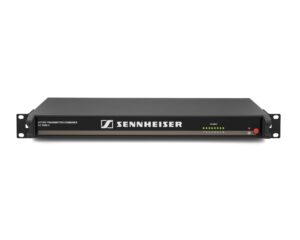
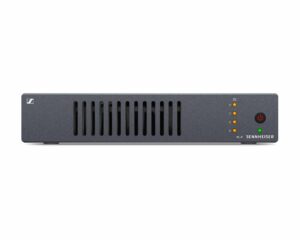
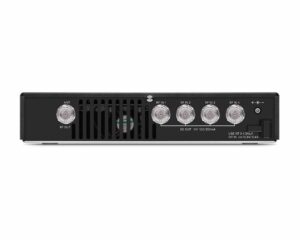
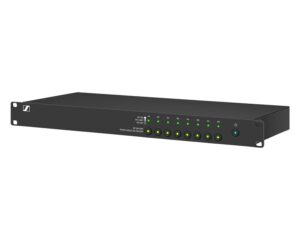
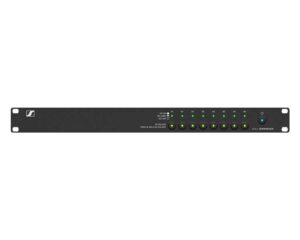
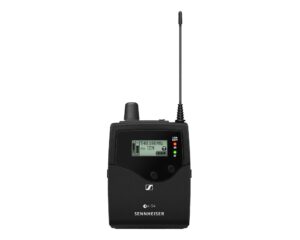
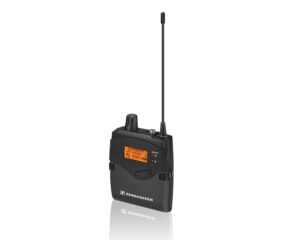
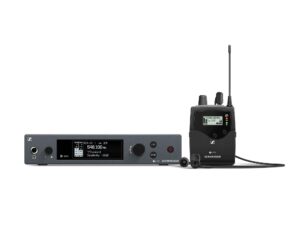
Wireless IEM transmission hardware for stage monitoring: Sennheiser’s EW IEM G4 sets, rack-mount SR transmitters and EK bodypack receivers in GB-band variants, the XSW IEM range, EK2000 receivers for existing 2000-series rigs, and the antennas, combiners and boosters that keep multi-channel systems clean, alongside Shure distribution hardware such as the UA844+SWB.
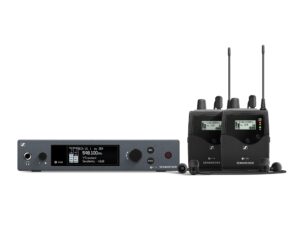
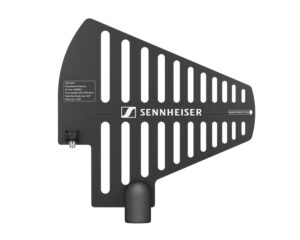
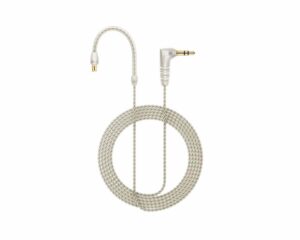
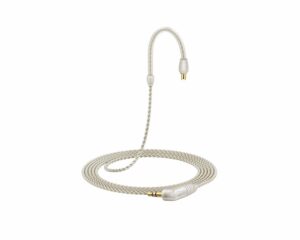
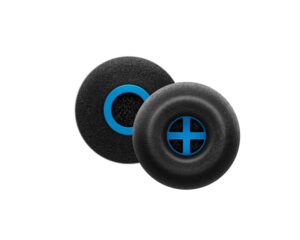
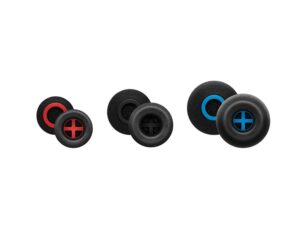
Subcategories mirror the way rigs grow. Sets bundle a transmitter and bodypack receiver for a first system; IEM Transmitters and IEM Bodypack Receivers sell the halves separately, which is how you scale, since one transmitter can broadcast a mix to any number of receivers tuned to it. IEM Antennas & Combiners matter more for IEM than most buyers expect: transmit combiners and a single decent antenna let several stereo mixes share the airwaves cleanly instead of four whips interfering behind the rack. Accessories holds ear tips, clips and cables. Band rules match radio microphones, GB-band Channel 38 operation sits under an Ofcom Shared Licence, and IEM transmitters should be frequency-coordinated alongside your microphones rather than planned as a separate exercise.
The earphones themselves live in the IEM Earphones category one level up, and our team can coordinate frequencies across a full mic and monitoring rig.
Wireless IEM Systems FAQs
What do I need for a first in-ear rig? A set, transmitter plus bodypack receiver, and earphones. From there rigs grow by adding receivers on the same mix or transmitters for separate mixes; the path is mapped in the in-ear monitor guide.
Why do multi-channel IEM rigs need combiners? Multiple transmit antennas interfere with each other; a combiner feeds them through one antenna cleanly. RF hygiene for transmit is covered in antennas and RF distribution.
Which band variant do I order? GB-band for UK Channel 38 use under the shared licence, licensing explained here.



