

Brands

Enquire for price
In Stock OnlineFREE delivery by Wed 21st Oct
Enquire for price
Enquire for price
In Stock OnlineFREE delivery by Wed 21st Oct
Enquire for price
In Stock OnlineFREE delivery by Wed 21st Oct
Enquire for price
In Stock OnlineFREE delivery by Wed 21st Oct
Enquire for price
In Stock OnlineFREE delivery by Wed 21st Oct
Enquire for price
In Stock OnlineFREE delivery by Wed 21st Oct
About dLive MixRacks
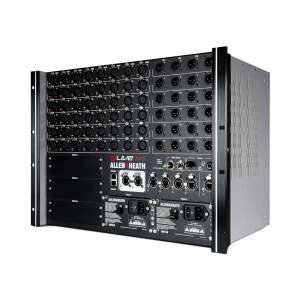
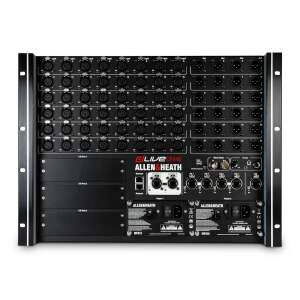
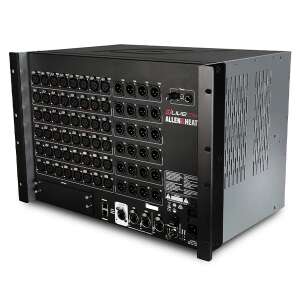
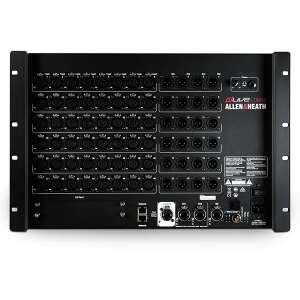
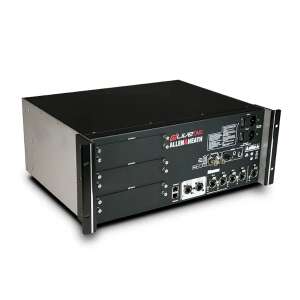
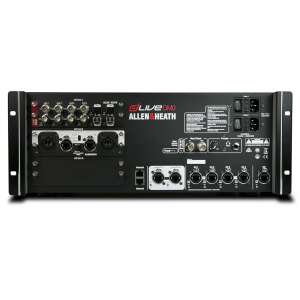
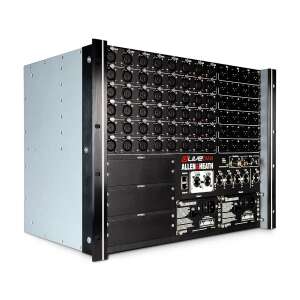
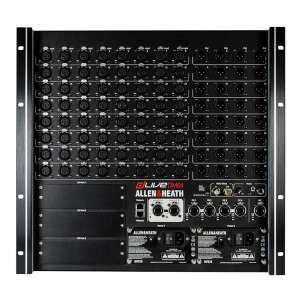
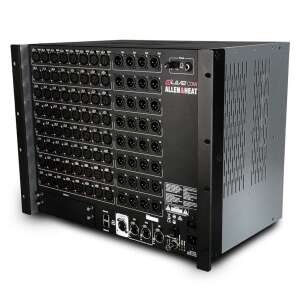
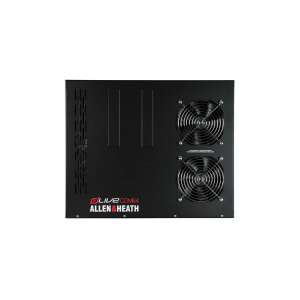
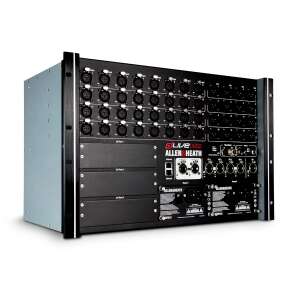
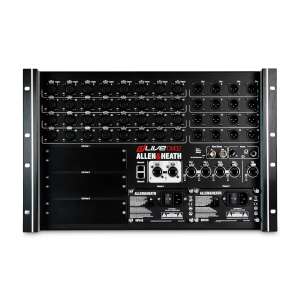
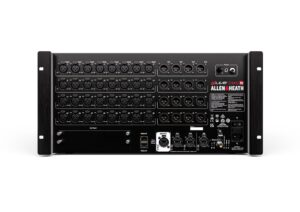
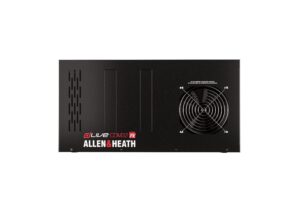
At the heart of every dLive system sits the MixRack, and this section carries the current UltraFX line-up: the C Class CDM32U, CDM48U and CDM64U, the S Class DM32U, DM48U and DM64U, and the I/O-less DM0. In a dLive rig the MixRack is the actual mixer, housing the processing core and local I/O, while the surface is only a control interface, so the rack decision defines your socket count and how the system deploys.
Model numbers map to local connectivity, a DM48U carries 48 mic inputs on the rack itself with more available over expander ports, while the DM0 skips local analogue I/O entirely for rigs built around stage-side expanders and audio networking. C Class racks are the more compact frames favoured for installs and smaller touring rigs, with the S Class racks as the full-size flagships. Mixing capability is the same dLive engine across the family, so nobody buys a lesser console by choosing a smaller box.
Pair the rack with a control surface from the Surfaces category, or run it surface-free from software and IP remotes, an increasingly common deployment in venues where nobody mixes hands-on day to day.
dLive MixRacks FAQs
Which MixRack size? Count your biggest realistic patch plus a quarter headroom: 32, 48 or 64 local inputs, CDM (compact) or DM (full-size, more card slots), or the I/O-less DM0 for Dante/DX-fed systems. The full walkthrough is the dLive range guide.
Is the rack really the mixer? Yes, all processing lives here; surfaces are controllers. Any surface pairs with any rack, and Director on a laptop can run one with no surface at all.



