

Brands

Enquire for price
In Stock OnlineFREE delivery by Wed 21st Oct
Enquire for price
In Stock OnlineFREE delivery by Wed 21st Oct
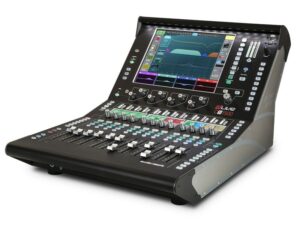
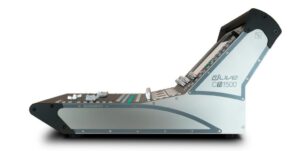
Enquire for price
In Stock OnlineFREE delivery by Wed 21st Oct
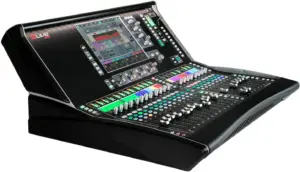
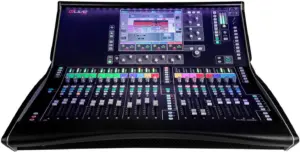
Enquire for price
In Stock OnlineFREE delivery by Wed 21st Oct
Enquire for price
In Stock OnlineFREE delivery by Wed 21st Oct
Enquire for price
In Stock OnlineFREE delivery by Wed 21st Oct
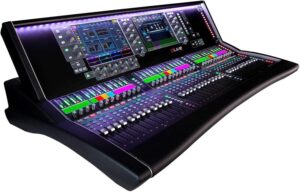
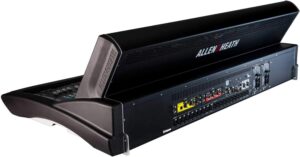
Enquire for price
In Stock OnlineFREE delivery by Wed 21st Oct
About Allen & Heath dLive Control Surfaces
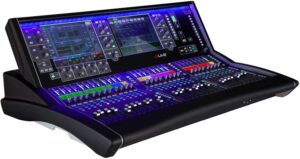
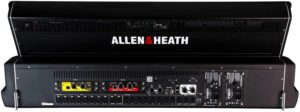
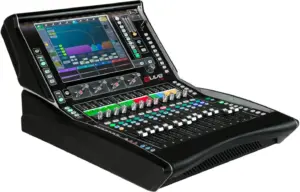
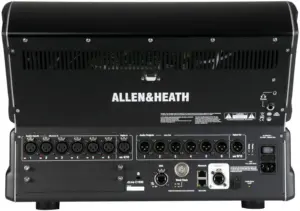
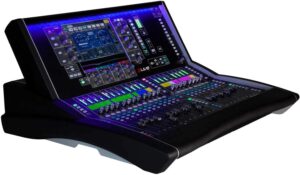
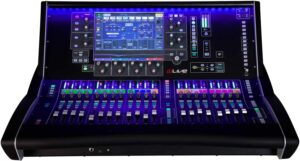
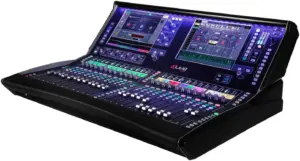
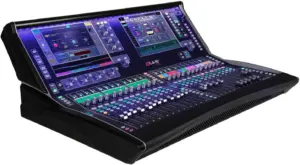
Control surfaces for Allen & Heath’s dLive platform, spanning the C Class C1500, C2500 and C3500, the touring S Class S3000, S5000 and S7000, and the compact 12-fader CTi1500. A dLive surface contains no audio processing of its own, every channel, bus and effect lives in the MixRack, so the surface decision is purely about workflow: fader count, screen area and how many engineers work the desk at once.
Sizing a surface is about the operator rather than the channel count. A C1500 mixes the same dLive engine as an S7000, the difference is how much of the show sits on faders in front of you versus a layer away, which matters when a theatre operator needs scene-by-scene access or a festival engineer walks up to an unfamiliar desk. C Class suits installs and compact touring, while S Class brings the width and assignable control that dual-operator festival and touring work demands. Surfaces connect back to the rack over the dLive link, and the MixRacks themselves live in the neighbouring Mix Racks category.
For fixed installs where nobody mixes hands-on day to day, it is worth asking whether you need a surface at all, since IP controllers and software can run a rack-only system.
dLive Control Surfaces FAQs
Does a bigger surface sound better? No, surfaces contain no audio processing; every channel and effect lives in the MixRack. You are buying faders, screens and build: C1500/C2500/C3500, S Class S3000, S7000, or the portable CTi1500. The honest comparison is the dLive range guide.
Can I change surface later? Freely, any surface pairs with any rack, and show files carry across. Start compact, upgrade when the work demands it.



