



£471.00 inc VAT
£392.50 ex VAT
£392.50 ex VAT
In Stock OnlineFREE delivery by Mon 12th Oct
£96.00 inc VAT
£80.00 ex VAT
£80.00 ex VAT
In Stock OnlineDelivery by Mon 12th Oct
£450.00 inc VAT
£375.00 ex VAT
£375.00 ex VAT
In Stock OnlineFREE delivery by Mon 12th Oct
£409.00 inc VAT
£340.83 ex VAT
£340.83 ex VAT
In Stock OnlineFREE delivery by Mon 12th Oct
£188.00 inc VAT
£156.67 ex VAT
£156.67 ex VAT
In Stock (Wembley)Delivery by Fri 9th Oct
£187.00 inc VAT
£155.83 ex VAT
£155.83 ex VAT
In Stock OnlineDelivery by Mon 12th Oct
£439.00 inc VAT
£365.83 ex VAT
£365.83 ex VAT
Ordered from ManufacturerFREE delivery by Fri 30th Oct
£319.00 inc VAT
£265.83 ex VAT
£265.83 ex VAT
In Stock OnlineFREE delivery by Mon 12th Oct
£322.00 inc VAT
£268.33 ex VAT
£268.33 ex VAT
In Stock OnlineFREE delivery by Mon 12th Oct
About Audio Interfaces & Recorders
Recording and interfacing tools from Tascam, for getting microphones and instruments into a computer or onto a card, plus the outboard that sits around them.
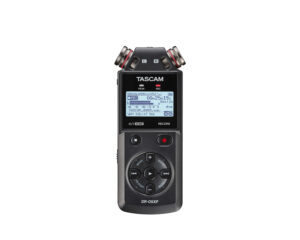
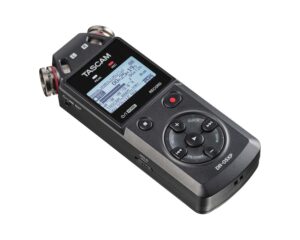
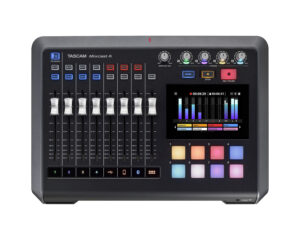
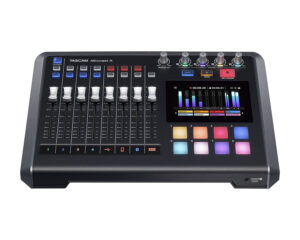
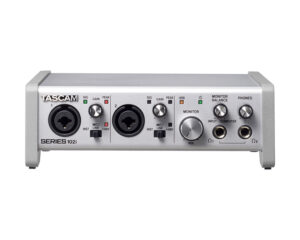
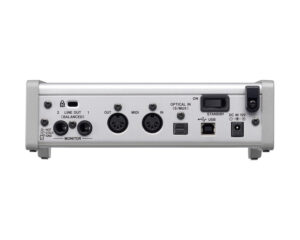
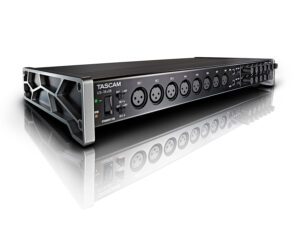
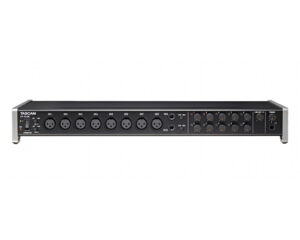
The US-16×08 and SERIES 102i are USB audio and MIDI interfaces with built-in DSP mixers. The US-16×08 has 16 inputs and 8 outputs with eight Ultra-HDDA mic preamps, enough to record a band or a drum kit in one pass, while the SERIES 102i has 10 inputs and 4 outputs at up to 192kHz/24-bit. The DR-05XP is a handheld stereo recorder that records in 32-bit float and doubles as a 2-in/2-out USB-C interface, and the Mixcast 4 is a podcast recording console with a 14-track SD recorder and USB interface built in.
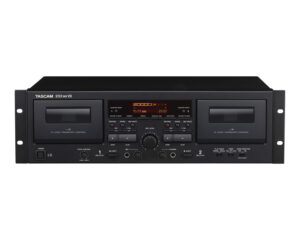
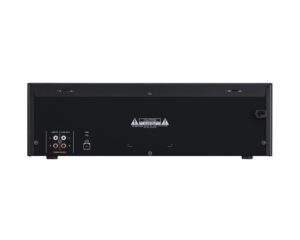
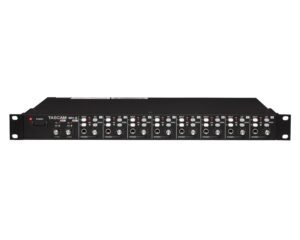
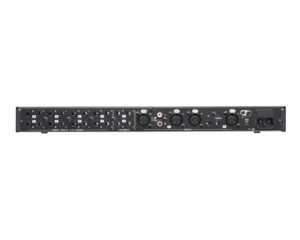
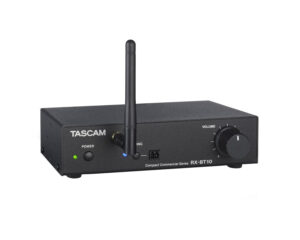
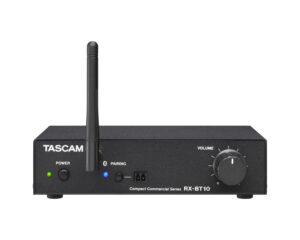
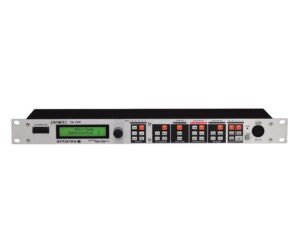
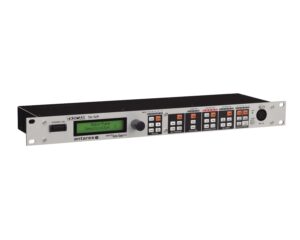
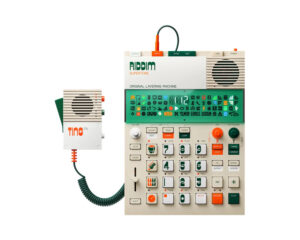
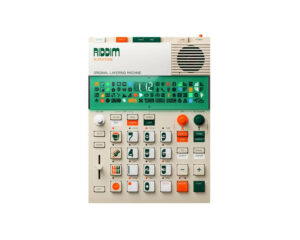
Around them sit the MH-8, a 1U eight channel stereo headphone amplifier with 250mW per side and foldback outputs, the TA-1VP vocal processor with Antares Auto-Tune and microphone modelling, the 202MKVII dual cassette deck with a USB output for digitising tape, and the RX-BT10 Bluetooth 5.1 receiver with balanced XLR and RCA outputs for adding a phone or tablet to a system. Teenage Engineering’s EP-40 RIDDIM sampler and composer with its TING FX mic completes the range.
Headphones to monitor all of it are in Studio Headphones, and the microphones are in Microphones & DI Boxes.
Audio Interfaces & Recorders FAQs
Do I need an audio interface? If you record into a computer, yes. It converts microphone and line signals for the computer and gives you headphone and monitor outputs. The US-16×08 suits recording several sources at once, and the SERIES 102i suits smaller setups.
What does 32-bit float recording mean? The DR-05XP’s 32-bit float format has so much headroom that the input level does not need to be set precisely, which makes a recording very hard to clip.
How do I give several musicians their own headphone feed? A headphone amplifier such as the MH-8 sends a feed to eight sets of headphones, each with its own level control.



