

Wireless Microphones & Radio Mics
Wireless microphone systems from Sennheiser, Shure and Audio Technica: handheld, lavalier and headset sets, receivers, spares and channel 38 radio mics.
Shop by brand





All products






£23.00 inc VAT
£19.17 ex VAT
£19.17 ex VAT
In Stock (Wembley)Delivery by Tue 20th Oct
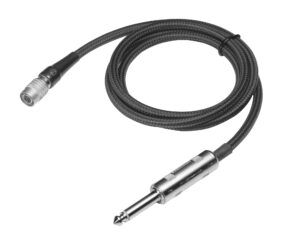
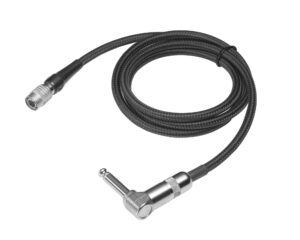
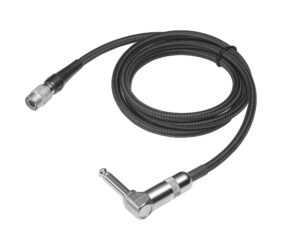
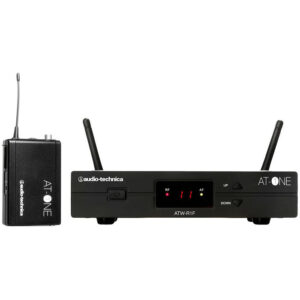
£165.00 inc VAT
£137.50 ex VAT
£137.50 ex VAT
In Stock (Wembley)Delivery by Tue 20th Oct
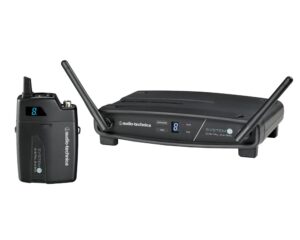
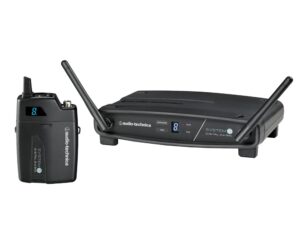
£249.00 inc VAT
£207.50 ex VAT
£207.50 ex VAT
In Stock (Wembley)Delivery by Tue 20th Oct
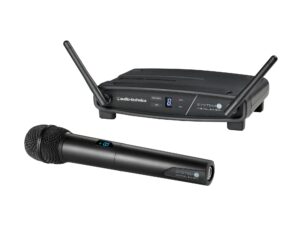
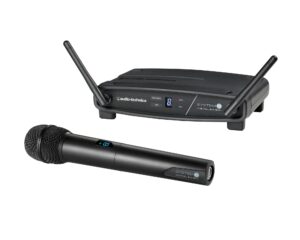
£288.00 inc VAT
£240.00 ex VAT
£240.00 ex VAT
In Stock (Wembley)FREE delivery by Tue 20th Oct
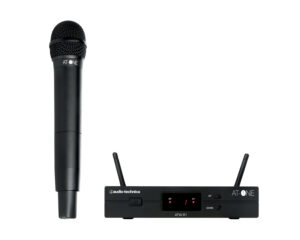
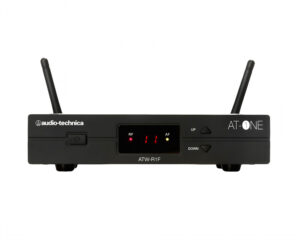
£182.00 inc VAT
£151.67 ex VAT
£151.67 ex VAT
In Stock (Wembley)Delivery by Tue 20th Oct
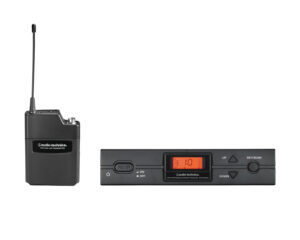
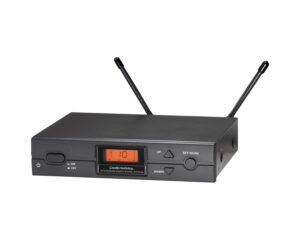
£281.00 inc VAT
£234.17 ex VAT
£234.17 ex VAT
In Stock (Wembley)FREE delivery by Tue 20th Oct
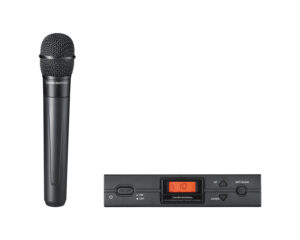
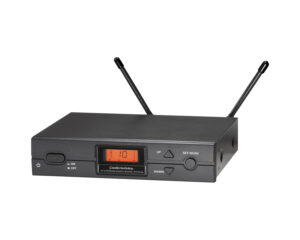
£299.00 inc VAT
£249.17 ex VAT
£249.17 ex VAT
In Stock (Wembley)FREE delivery by Tue 20th Oct
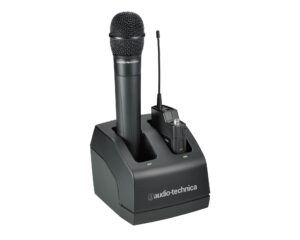
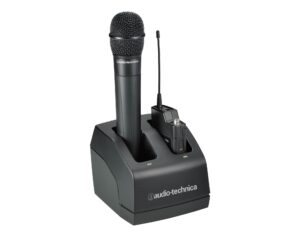
£173.00 inc VAT
£144.17 ex VAT
£144.17 ex VAT
In Stock OnlineDelivery by Wed 21st Oct
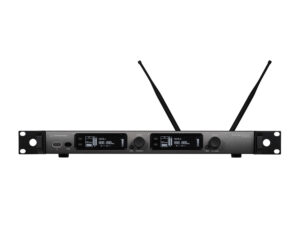
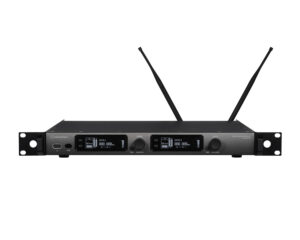
£1,769.00 inc VAT
£1,474.17 ex VAT
£1,474.17 ex VAT
In Stock OnlineFREE delivery by Wed 21st Oct
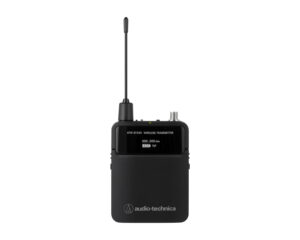
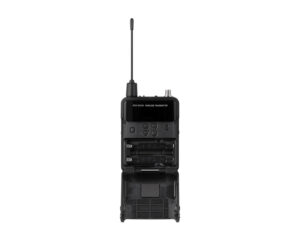
£482.00 inc VAT
£401.67 ex VAT
£401.67 ex VAT
In Stock OnlineFREE delivery by Wed 21st Oct
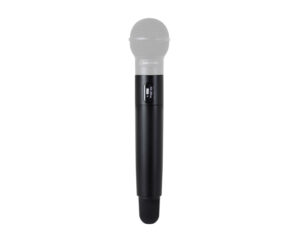
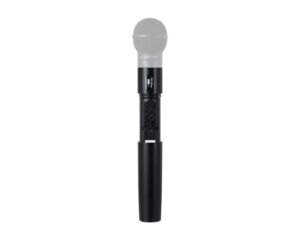
£401.00 inc VAT
£334.17 ex VAT
£334.17 ex VAT
In Stock OnlineFREE delivery by Wed 21st Oct
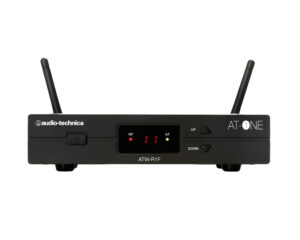
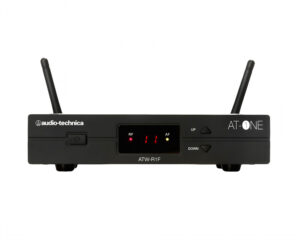
£146.00 inc VAT
£121.67 ex VAT
£121.67 ex VAT
In Stock OnlineDelivery by Wed 21st Oct
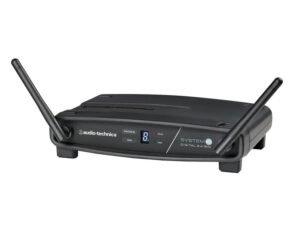
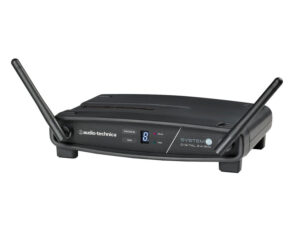
£163.00 inc VAT
£135.83 ex VAT
£135.83 ex VAT
In Stock OnlineDelivery by Wed 21st Oct
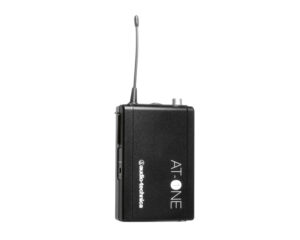
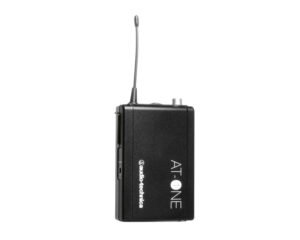
£73.00 inc VAT
£60.83 ex VAT
£60.83 ex VAT
In Stock OnlineDelivery by Wed 21st Oct
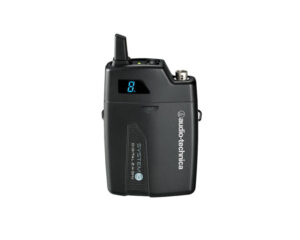
£132.00 inc VAT
£110.00 ex VAT
£110.00 ex VAT
In Stock (Wembley)Delivery by Tue 20th Oct
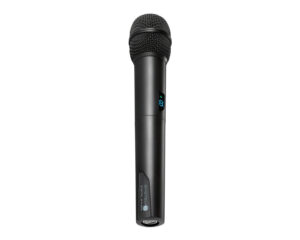
£140.00 inc VAT
£116.67 ex VAT
£116.67 ex VAT
In Stock (Wembley)Delivery by Tue 20th Oct
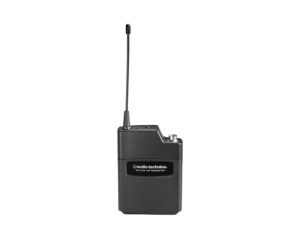
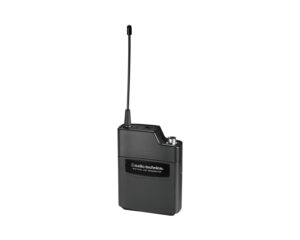
£155.00 inc VAT
£129.17 ex VAT
£129.17 ex VAT
In Stock OnlineDelivery by Wed 21st Oct
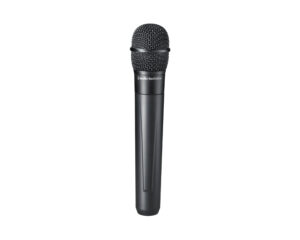
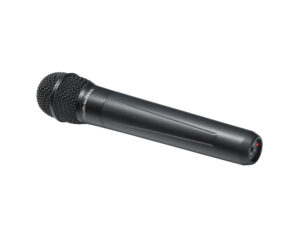
£182.00 inc VAT
£151.67 ex VAT
£151.67 ex VAT
On BackorderDelivery by Thu 12th Nov
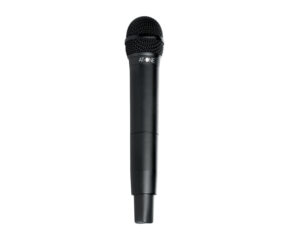
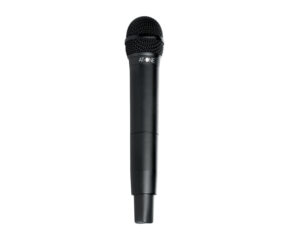
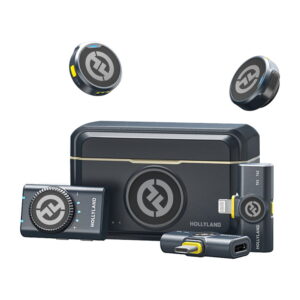
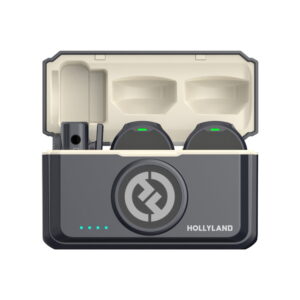
£128.00 inc VAT
£106.67 ex VAT
£106.67 ex VAT
In Stock OnlineDelivery by Wed 21st Oct
£284.00 inc VAT
£236.67 ex VAT
£236.67 ex VAT
In Stock OnlineFREE delivery by Wed 21st Oct
£198.00 inc VAT
£165.00 ex VAT
£165.00 ex VAT
In Stock (Wembley)Delivery by Tue 20th Oct
About Wireless Microphones & Radio Mics
Radio microphone hardware from entry level to touring grade, centred on Shure’s BLX, SLX-D and ULX-D platforms and Sennheiser’s XS Wireless, evolution G4, EW-D and EW-DX ranges, plus the DECT-based AVX and SpeechLine families, with Audio Technica systems alongside. This is the deepest section of the microphone department, covering complete systems and every separate part of one.
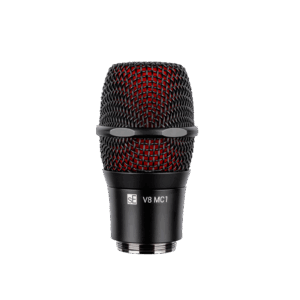
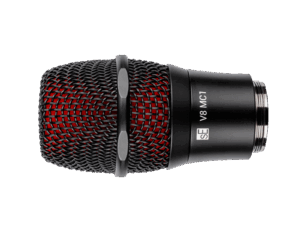
Where you start depends on what you already own. Building from scratch, go to Sets for complete transmitter and receiver packages in handheld, lavalier and headset configurations. Expanding an existing rig, the Handheld Transmitters, Bodypack Transmitters and Wireless Mic Receivers sub-categories sell the halves separately, so a second bodypack does not mean a second receiver. Capsules lets you change a handheld’s voicing without replacing the system, which is the cheapest meaningful upgrade in this category and the one most people overlook. Boundary & Gooseneck Transmitters covers wireless boundary and gooseneck bases for meeting rooms, and Accessories holds the chargers, rechargeable packs, PSUs and racking hardware.
Frequency band is the non-negotiable. Transmitter and receiver band codes must match exactly, and in the UK the band decides what you may legally switch on: Channel 38 at 606 to 614 MHz runs under an Ofcom shared licence, Channel 70 is licence-exempt, other bands need coordinated licensing, and 1.9 GHz DECT systems such as AVX and SpeechLine DW sidestep the question entirely. Kit imported from another market may be unusable here and difficult to resell. Our licensing guide covers the current position, and the buying guide covers choosing a tier.
Channel count changes the shopping list. One or two systems will work on supplied whip antennas almost anywhere. Past three or four, the antennas and the coordination do more for reliability than the receivers do, and Wireless Mic Antennas & Splitters is where paddles, splitters, boosters and low-loss coax live. The antenna and RF distribution guide covers gain, diversity spacing, DC bias and fault-finding in order.
For the two comparisons we are asked about most, see BLX against SLX-D+ and EW-D against SLX-D+. Frequency planning help is available before you commit an inventory to one band.
Wireless Microphones FAQs
Which band am I allowed to use in the UK? Channel 38 under an Ofcom shared licence for most professional kit; Channel 70 licence-exempt but shared; other bands need coordination. The licensing guide settles it before you spend.
Analogue or digital? Analogue still earns its keep at one or two channels; digital buys spectral efficiency, encryption and rechargeables from four channels up. Tiers compared in the wireless buying guide, and the two big digital platforms head-to-head in EW-D vs SLX-D+.
Why do dropouts happen past a few channels? Antennas, not receivers, paddles, distribution and decent coax fix what money spent on receivers cannot. See antennas and RF distribution.



