





£185.00 inc VAT
£154.17 ex VAT
£154.17 ex VAT
In Stock (Wembley)Delivery by Tue 24th Nov
£200.00 inc VAT
£166.67 ex VAT
£166.67 ex VAT
In Stock (Wembley)Delivery by Tue 24th Nov
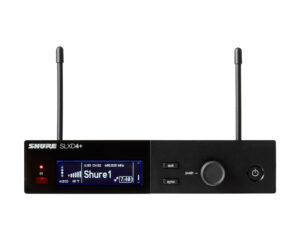
£730.00 inc VAT
£608.33 ex VAT
£608.33 ex VAT
In Stock (Wembley)FREE delivery by Tue 24th Nov
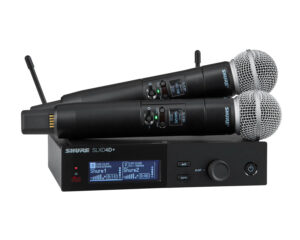
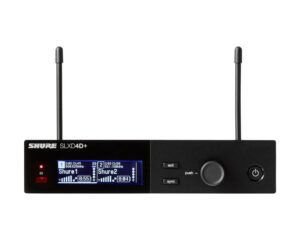
£1,549.00 inc VAT
£1,290.83 ex VAT
£1,290.83 ex VAT
In Stock (Wembley)FREE delivery by Tue 24th Nov
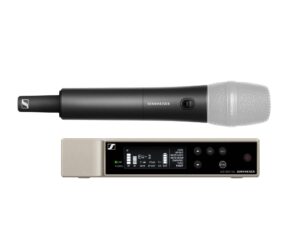
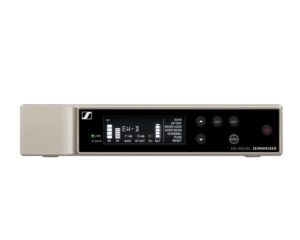
£494.00 inc VAT
£411.67 ex VAT
£411.67 ex VAT
In Stock OnlineFREE delivery by Wed 25th Nov
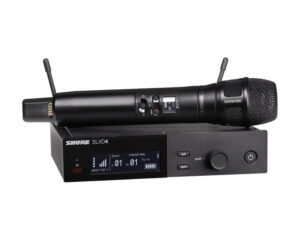
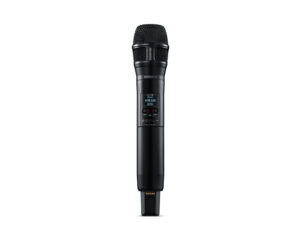
£749.00 inc VAT
£624.17 ex VAT
£624.17 ex VAT
Discontinued
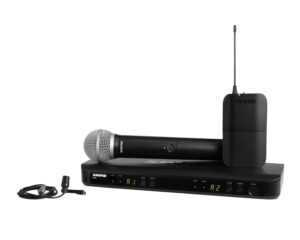
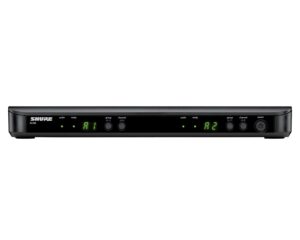
£661.00 inc VAT
£550.83 ex VAT
£550.83 ex VAT
In Stock OnlineFREE delivery by Wed 25th Nov
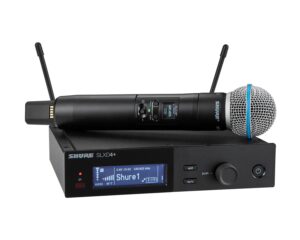
£780.00 inc VAT
£650.00 ex VAT
£650.00 ex VAT
In Stock OnlineFREE delivery by Wed 25th Nov
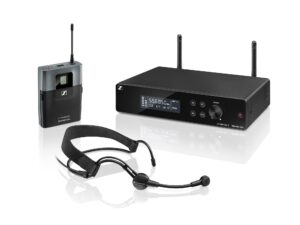
£414.00 inc VAT
£345.00 ex VAT
£345.00 ex VAT
In Stock OnlineFREE delivery by Wed 25th Nov
£1,595.00 inc VAT
£1,329.17 ex VAT
£1,329.17 ex VAT
In Stock OnlineFREE delivery by Wed 25th Nov
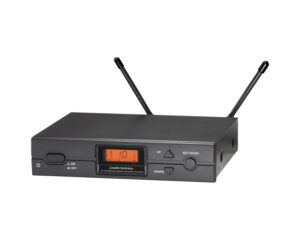
£299.00 inc VAT
£249.17 ex VAT
£249.17 ex VAT
In Stock (Wembley)FREE delivery by Tue 24th Nov
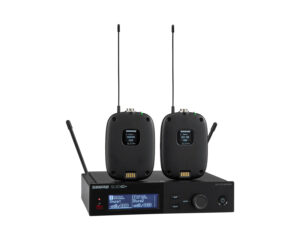
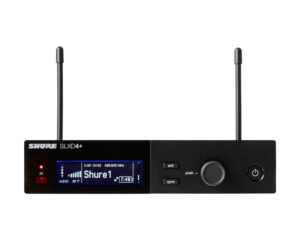
£1,390.00 inc VAT
£1,158.33 ex VAT
£1,158.33 ex VAT
In Stock OnlineFREE delivery by Wed 25th Nov
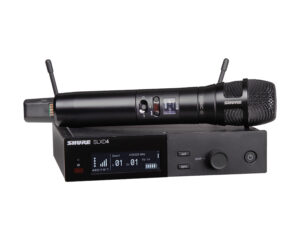
£749.00 inc VAT
£624.17 ex VAT
£624.17 ex VAT
Discontinued
£428.00 inc VAT
£356.67 ex VAT
£356.67 ex VAT
In Stock OnlineFREE delivery by Wed 25th Nov
£542.00 inc VAT
£451.67 ex VAT
£451.67 ex VAT
In Stock OnlineFREE delivery by Wed 25th Nov
£315.00 inc VAT
£262.50 ex VAT
£262.50 ex VAT
In Stock (Wembley)FREE delivery by Tue 24th Nov
£879.00 inc VAT
£732.50 ex VAT
£732.50 ex VAT
In Stock OnlineFREE delivery by Wed 25th Nov
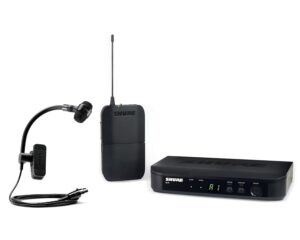
£432.00 inc VAT
£360.00 ex VAT
£360.00 ex VAT
Ordered from ManufacturerFREE delivery by Tue 15th Dec
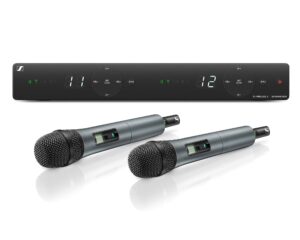
£569.00 inc VAT
£474.17 ex VAT
£474.17 ex VAT
In Stock OnlineFREE delivery by Wed 25th Nov
£288.00 inc VAT
£240.00 ex VAT
£240.00 ex VAT
In Stock (Wembley)FREE delivery by Tue 24th Nov
£1,840.00 inc VAT
£1,533.33 ex VAT
£1,533.33 ex VAT
Ordered from ManufacturerFREE delivery by Tue 15th Dec
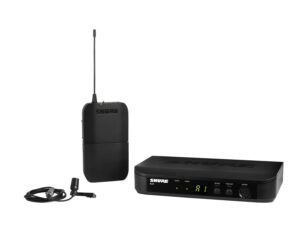
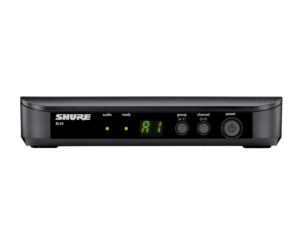
£387.00 inc VAT
£322.50 ex VAT
£322.50 ex VAT
In Stock (Wembley)FREE delivery by Tue 24th Nov
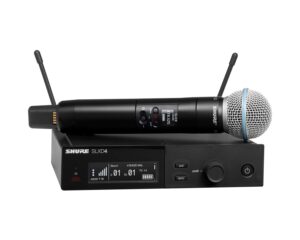
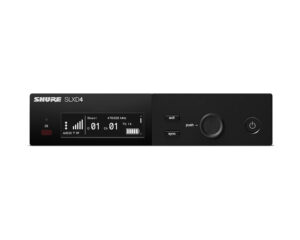
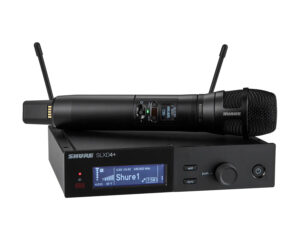
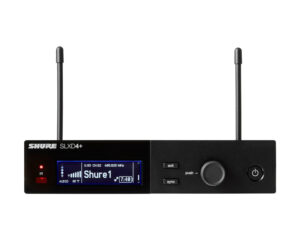
£949.00 inc VAT
£790.83 ex VAT
£790.83 ex VAT
Ordered from ManufacturerFREE delivery by Tue 15th Dec
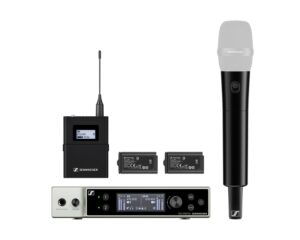
£1,694.00 inc VAT
£1,411.67 ex VAT
£1,411.67 ex VAT
In Stock OnlineFREE delivery by Wed 25th Nov
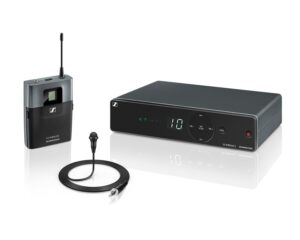
£342.40 inc VAT
£285.33 ex VAT
£285.33 ex VAT
In Stock (Wembley)FREE delivery by Tue 24th Nov
£128.00 inc VAT
£106.67 ex VAT
£106.67 ex VAT
In Stock OnlineDelivery by Wed 25th Nov
£249.00 inc VAT
£207.50 ex VAT
£207.50 ex VAT
In Stock (Wembley)Delivery by Tue 24th Nov
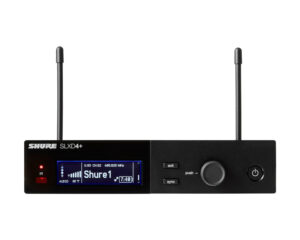
£690.00 inc VAT
£575.00 ex VAT
£575.00 ex VAT
In Stock (Wembley)FREE delivery by Tue 24th Nov
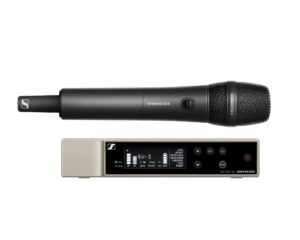
£593.00 inc VAT
£494.17 ex VAT
£494.17 ex VAT
In Stock OnlineFREE delivery by Wed 25th Nov
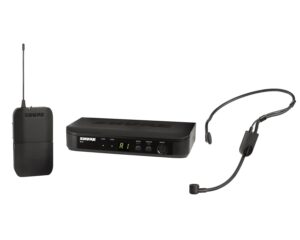
£387.00 inc VAT
£322.50 ex VAT
£322.50 ex VAT
In Stock OnlineFREE delivery by Wed 25th Nov
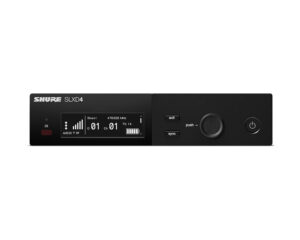
£825.00 inc VAT
£687.50 ex VAT
£687.50 ex VAT
In Stock OnlineFREE delivery by Wed 25th Nov
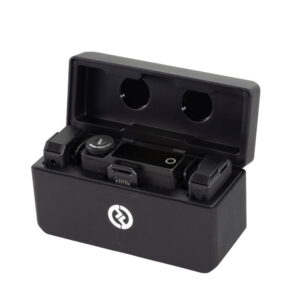
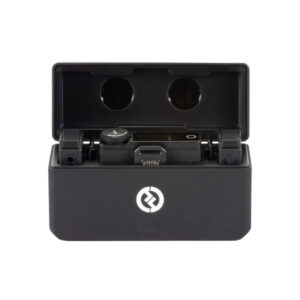
£284.00 inc VAT
£236.67 ex VAT
£236.67 ex VAT
In Stock OnlineFREE delivery by Wed 25th Nov
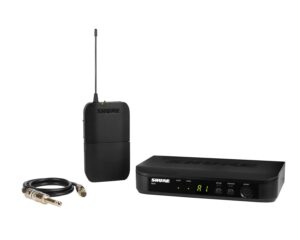
£336.00 inc VAT
£280.00 ex VAT
£280.00 ex VAT
In Stock OnlineFREE delivery by Wed 25th Nov
£423.00 inc VAT
£352.50 ex VAT
£352.50 ex VAT
In Stock OnlineFREE delivery by Wed 25th Nov
£252.00 inc VAT
£210.00 ex VAT
£210.00 ex VAT
Discontinued
£559.00 inc VAT
£465.83 ex VAT
£465.83 ex VAT
In Stock OnlineFREE delivery by Wed 25th Nov
£2,050.00 inc VAT
£1,708.33 ex VAT
£1,708.33 ex VAT
In Stock OnlineFREE delivery by Wed 25th Nov
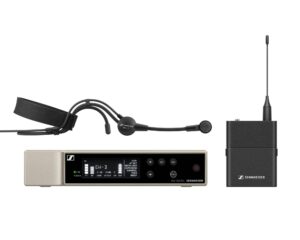
£613.00 inc VAT
£510.83 ex VAT
£510.83 ex VAT
In Stock OnlineFREE delivery by Wed 25th Nov
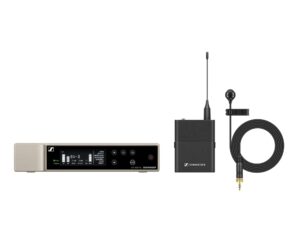
£559.00 inc VAT
£465.83 ex VAT
£465.83 ex VAT
In Stock OnlineFREE delivery by Wed 25th Nov
£2,417.00 inc VAT
£2,014.17 ex VAT
£2,014.17 ex VAT
In Stock OnlineFREE delivery by Wed 25th Nov
£810.00 inc VAT
£675.00 ex VAT
£675.00 ex VAT
In Stock OnlineFREE delivery by Wed 25th Nov
£593.00 inc VAT
£494.17 ex VAT
£494.17 ex VAT
In Stock OnlineFREE delivery by Wed 25th Nov
£2,238.00 inc VAT
£1,865.00 ex VAT
£1,865.00 ex VAT
In Stock OnlineFREE delivery by Wed 25th Nov
£665.00 inc VAT
£554.17 ex VAT
£554.17 ex VAT
In Stock OnlineFREE delivery by Wed 25th Nov
£613.00 inc VAT
£510.83 ex VAT
£510.83 ex VAT
In Stock OnlineFREE delivery by Wed 25th Nov
About Wireless Microphone Systems & Mic Sets
Complete wireless microphone systems, with transmitter, receiver and microphone together. The range covers Shure BLX, GLX-D+, SLX-D and SLX-D+, Sennheiser XS Wireless, EW-D, EW-DP, EW-DX, SpeechLine Digital Wireless and AVX, Audio-Technica AT-One, 2000 Series, System 10 and System 20 PRO, and Hollyland LARK wireless lavaliers for cameras and phones.
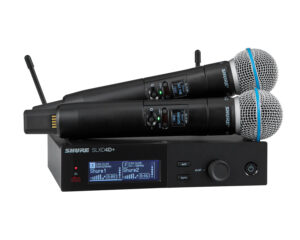
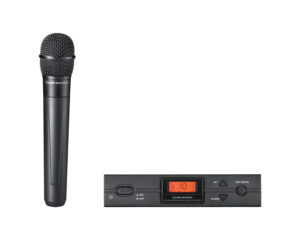
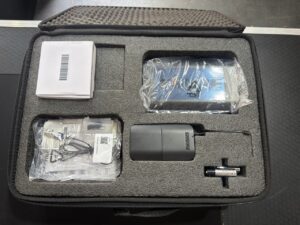
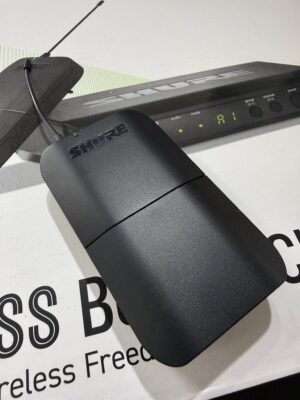
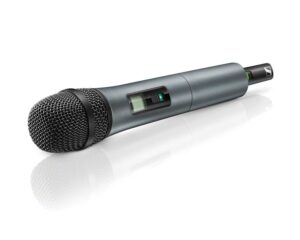
Handheld sets suit vocals, presenters and passed-round questions. Shure vocal systems come with SM58, BETA 58A, B87A, PG58 or Nexadyne 8/C and 8/S heads; Sennheiser XS Wireless sets with e825, e835 or e865 capsules, and EW-D sets with the MMD 835.
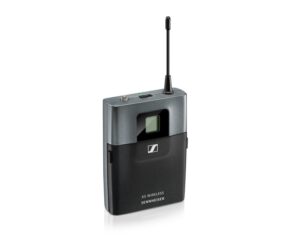
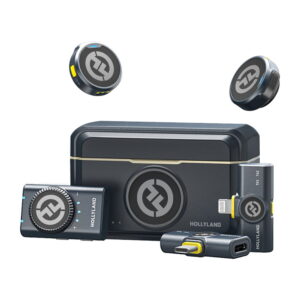
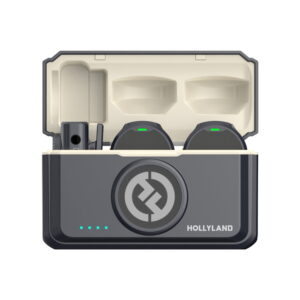
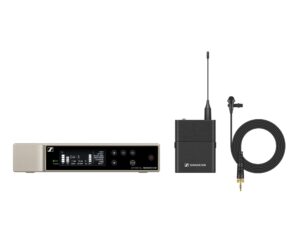
Lavalier and bodypack sets keep the presenter’s hands free: Sennheiser ME 2, ME 4 and MKE 2, and Shure CVL, WL185, WL93 and UL4B lavaliers, plus bodypack-only sets for fitting your own mic. For video, the Sennheiser EW-DP and AVX, Shure SLX-D portable systems and Hollyland LARK M2 and LARK Max use camera-mount or phone receivers.
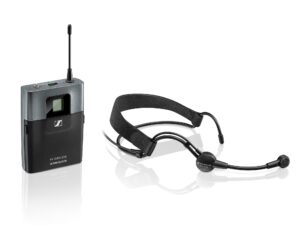
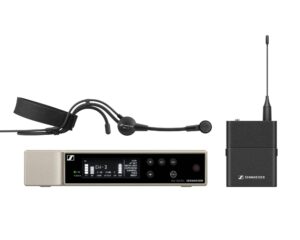
Headset sets hold the capsule at a fixed distance from the mouth, the usual choice for theatre, worship and fitness: Shure SM35, SM31FH, PGA31 and MX153 earset, Sennheiser ME 3 and the SpeechLine Headmic.
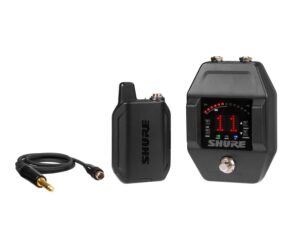
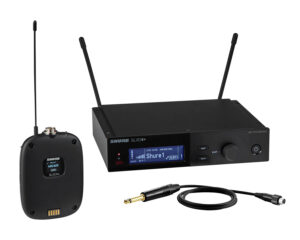
Instrument sets come with a guitar cable (Shure WA302, Sennheiser CI 1) or a clip-on instrument mic (Shure Beta 98H/C or PGA98H), and the Shure GLXD16+ puts the receiver in a guitar pedal. See wireless guitar and bass systems.
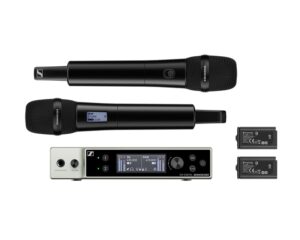
Combo and dual sets. Combo sets include both a handheld and a lavalier transmitter (Sennheiser EW-D, EW-DX and AVX combos, Shure BLX1288/CVL, Audio-Technica ATW-1423); check each listing for the receiver. Dual sets such as the Shure BLX288, BLX188 and SLXD24D+, Sennheiser XS Wireless 1 Dual and EW-DX Dual, and Audio-Technica ATW-1421 and ATW-1422 run two transmitters into one two-channel receiver, saving rack space and cabling.
UK frequency bands. Transmitter and receiver must carry the same band code, and the band decides how a set can be used in the UK:
- UHF from 606 MHz: Shure K3E (606 to 630 MHz, BLX), K59 (606 to 650 MHz, SLX-D) and K55 (606 to 694 MHz, SLX-D+), Sennheiser GB (606 to 630 MHz, XS Wireless), S1-7 (606 to 662 MHz, EW-D and EW-DP) and S1-10 (606 to 694 MHz, EW-DX), and Audio-Technica CH38. Channel 38 (606 to 614 MHz) needs the Ofcom UK Wireless Microphone Licence, a shared licence covering the whole organisation; frequencies above 614 MHz need a coordinated licence.
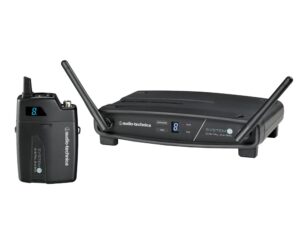
- Licence-free: Channel 70 (863 to 865 MHz, Audio-Technica AT-One), 2.4 GHz digital systems (Audio-Technica System 10 and System 20 PRO, Hollyland LARK), Shure GLX-D+ (Z4, 2.4 GHz and 5.8 GHz) and the 1.9 GHz DECT band used by Sennheiser SpeechLine Digital Wireless and AVX.
- 1.8 GHz: Sennheiser Y1-3 (EW-D, EW-DP) and 1G8 (EW 100 G4) sets tune 1785 to 1800 MHz, outside the UHF TV band. Licence exempt UK-wide since 29 April 2026 for kit meeting Ofcom IR 2030.
Wireless microphone licensing in the UK explains each band and how to buy the licence, and Ofcom licensing beyond Channel 38 covers coordinated frequencies.
Choosing a range. Shure BLX is analogue and the usual start for one or two channels; GLX-D+ is digital and licence-free; SLX-D, SLX-D+, EW-D and EW-DX are digital UHF platforms for denser multi-channel work. The wireless microphone buying guide, Shure wireless ranges compared and Sennheiser EW-D vs EW-DX go into detail.
Adding to a system you own? Spare transmitters, receivers and capsules are in Wireless Microphones, with antennas and splitters for larger channel counts and chargers.
Wireless Microphone Systems FAQs
Do I need a licence for a wireless microphone in the UK? Not on the licence-free bands: Channel 70 (863 to 865 MHz), 1.8 GHz (1785 to 1805 MHz, licence exempt since April 2026), 2.4 GHz and 1.9 GHz DECT. Channel 38 (606 to 614 MHz) needs the Ofcom UK Wireless Microphone Licence, which covers your whole organisation anywhere in the UK. Other UHF frequencies need a coordinated licence, and kit tuning 694 to 790 MHz cannot be licensed in the UK at all. See the licensing guide.
Which band should I buy? For a few channels with no paperwork, a licence-free set: Channel 70, 1.8 GHz, 2.4 GHz or DECT. For more channels, or work at different venues, a UHF set starting at 606 MHz (Shure K3E, K59 or K55, Sennheiser GB, S1-7 or S1-10) used under the Channel 38 licence. If you are adding to existing kit, match its band code.
What is a wireless lavalier microphone system? A small clip-on microphone wired to a bodypack transmitter, with a receiver at the mixer or camera. It keeps the presenter’s hands free. Most bodypack transmitters accept other lavaliers and headsets with the matching connector; headset and lavalier connectors explains which fits which.
How many wireless mics can I run at once? On Channel 70 about four systems, as the band is only 2 MHz wide. Channel 38 allows around ten on Ofcom’s channel plan. Beyond that you need coordinated frequencies, and antenna distribution matters more than the receivers; see planning a multi-channel wireless system.



