




£347.00 inc VAT
£289.17 ex VAT
£289.17 ex VAT
£17.00 inc VAT
£14.17 ex VAT
£14.17 ex VAT
£251.00 inc VAT
£209.17 ex VAT
£209.17 ex VAT
£98.00 inc VAT
£81.67 ex VAT
£81.67 ex VAT
£47.00 inc VAT
£39.17 ex VAT
£39.17 ex VAT
£266.00 inc VAT
£221.67 ex VAT
£221.67 ex VAT
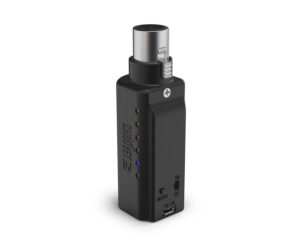
£50.00 inc VAT
£41.67 ex VAT
£41.67 ex VAT
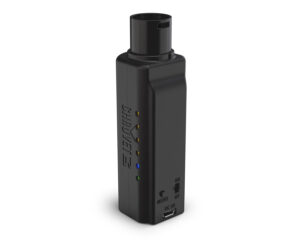
£50.00 inc VAT
£41.67 ex VAT
£41.67 ex VAT
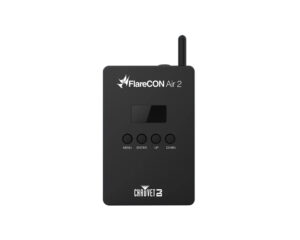
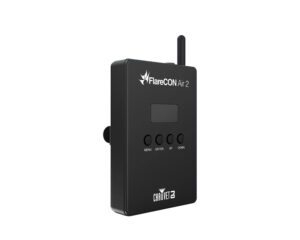
£265.00 inc VAT
£220.83 ex VAT
£220.83 ex VAT
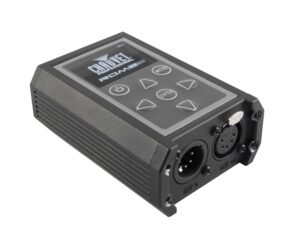
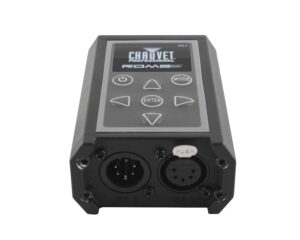
£365.00 inc VAT
£304.17 ex VAT
£304.17 ex VAT
£599.00 inc VAT
£499.17 ex VAT
£499.17 ex VAT
£518.00 inc VAT
£431.67 ex VAT
£431.67 ex VAT
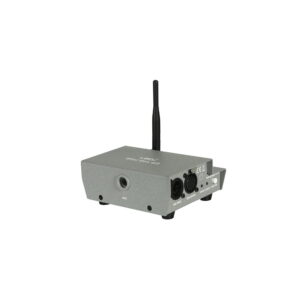
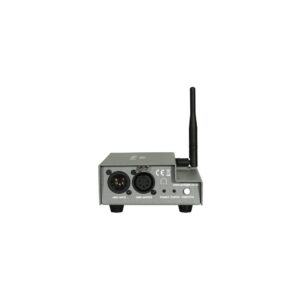
£98.00 inc VAT
£81.67 ex VAT
£81.67 ex VAT
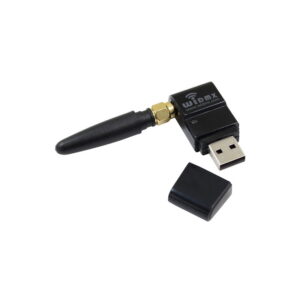
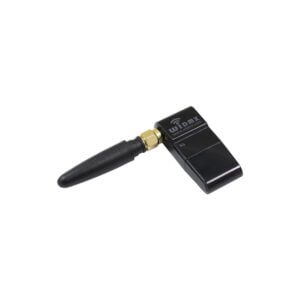
£53.00 inc VAT
£44.17 ex VAT
£44.17 ex VAT
£669.00 inc VAT
£557.50 ex VAT
£557.50 ex VAT
About Wireless DMX
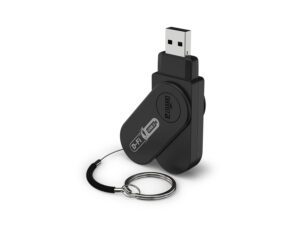
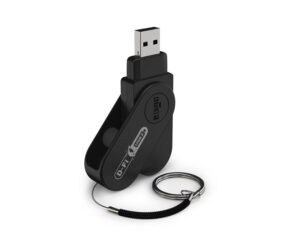
Cable-free DMX links for the spans where running copper is impractical: transceivers, dongles and battery-powered units from Chauvet, ADJ, LEDJ and City Theatrical covering the W-DMX and CRMX ecosystems on the 2.4GHz band.
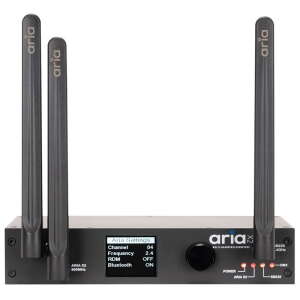
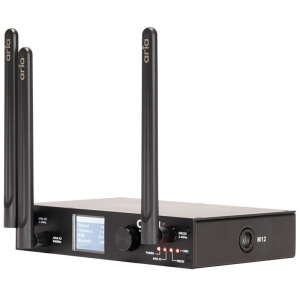
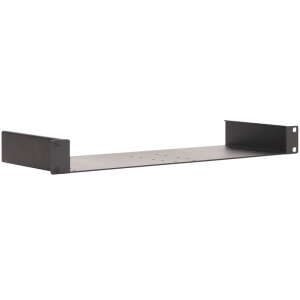
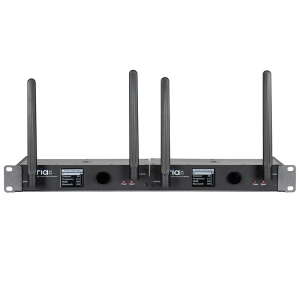
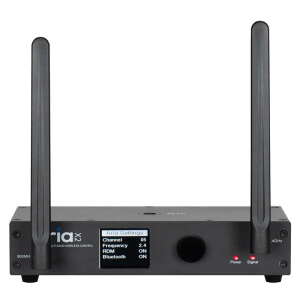
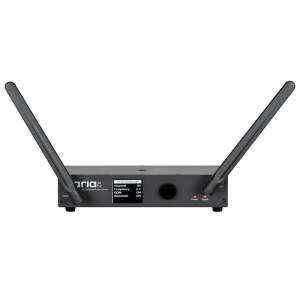
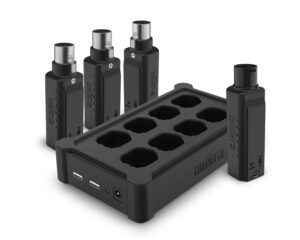
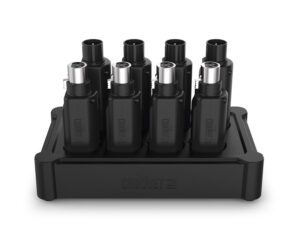
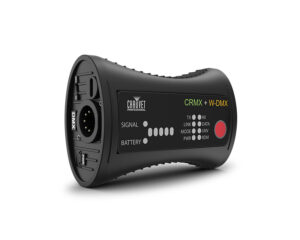
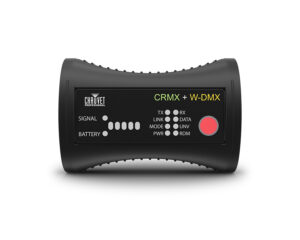
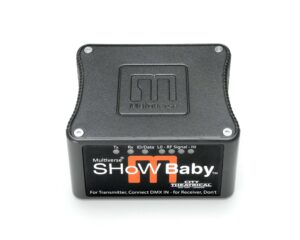
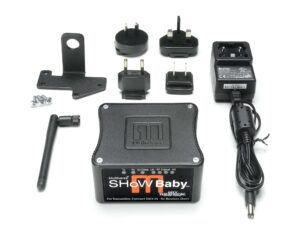
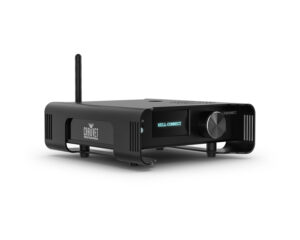
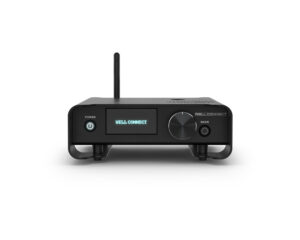
Protocol compatibility is the first check. W-DMX and CRMX are separate systems, so a transmitter and receiver must speak the same one; units like the Chauvet Professional Micro T-1 TRX G6 are built to work with both W-DMX and CRMX fixtures, which makes them safer buys for mixed hire stock. Battery-powered transceivers such as the WELL Connect suit uplighter packages and temporary positions with no local power, while the City Theatrical Multiverse SHoW Baby remains a favourite for quick point-to-point links. Think about the RF environment too: a festival site or conference venue saturated with Wi-Fi shares the same 2.4GHz spectrum, so mount units with line of sight, keep hop distances sensible, and test before doors rather than during the show. ADJ’s Aria X2 system adds a gateway and rackmount options for tidier permanent setups.
Wireless is a bridge, not a replacement for cable on critical paths; most designers keep the main control runs on copper and use wireless for the awkward last hops.
Wireless DMX FAQs
W-DMX or CRMX? Separate ecosystems, a transmitter and receiver must speak the same protocol to link. Check what your fixtures or existing dongles run before buying either camp.
When is wireless DMX the right call? Spans where copper is impractical, across water, listed buildings, moving set pieces, battery uplighter fleets. Where cable can run, run cable; the topology rules are in DMX explained.




