

Brands


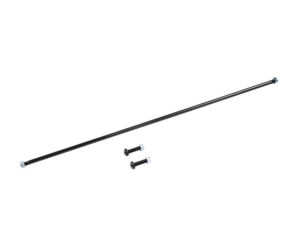
£23.00 inc VAT
£19.17 ex VAT
£19.17 ex VAT
In Stock OnlineDelivery by Wed 21st Oct
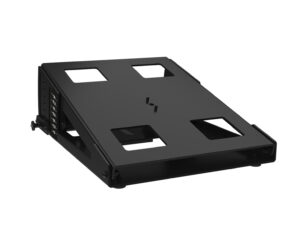
£1,188.00 inc VAT
£990.00 ex VAT
£990.00 ex VAT
Ordered from ManufacturerFREE delivery by Tue 10th Nov
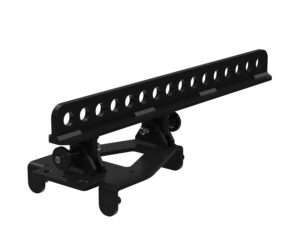
£574.00 inc VAT
£478.33 ex VAT
£478.33 ex VAT
Ordered from ManufacturerFREE delivery by Tue 10th Nov
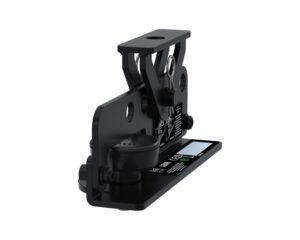
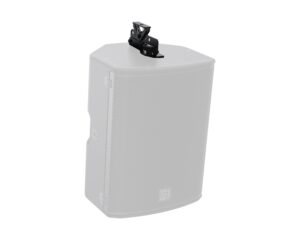
£238.00 inc VAT
£198.33 ex VAT
£198.33 ex VAT
Ordered from ManufacturerDelivery by Tue 10th Nov
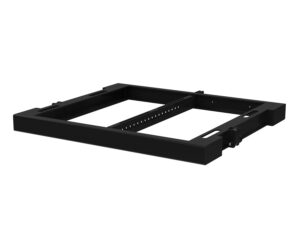
£2,614.00 inc VAT
£2,178.33 ex VAT
£2,178.33 ex VAT
Ordered from ManufacturerFREE delivery by Tue 10th Nov
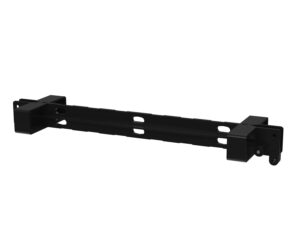
£832.00 inc VAT
£693.33 ex VAT
£693.33 ex VAT
Ordered from ManufacturerFREE delivery by Tue 10th Nov
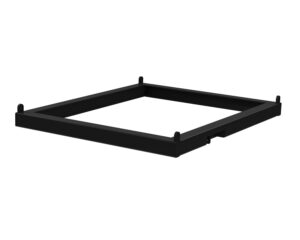
£1,485.00 inc VAT
£1,237.50 ex VAT
£1,237.50 ex VAT
Ordered from ManufacturerFREE delivery by Tue 10th Nov
£2,317.00 inc VAT
£1,930.83 ex VAT
£1,930.83 ex VAT
Ordered from ManufacturerFREE delivery by Tue 10th Nov
£832.00 inc VAT
£693.33 ex VAT
£693.33 ex VAT
Ordered from ManufacturerFREE delivery by Tue 10th Nov
About Line Array Rigging & Flying Frames
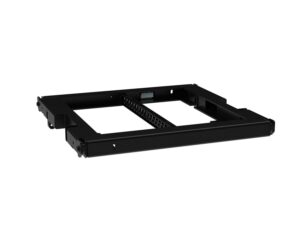
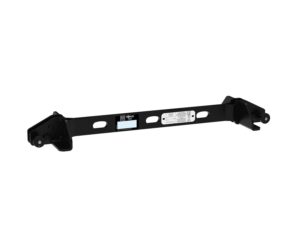
Flying frames, pull-back bars and transition hardware for line array deployment, alongside rated rigging steels and truss tools. Martin Audio TORUS pieces dominate, with T8 and T12 lifting grids, array and pull-back bars, and the transition bar that hangs a TORUS T12 array beneath an SXCF118 subwoofer, plus ELLER 2 tonne WLL rigging steels and the Global Truss truss tool.
Array rigging is engineered per cabinet family, so a T12 grid serves TORUS T12 elements and nothing else; never adapt or mix hardware between series, whatever the hole spacing looks like. Plan the full load path before ordering: grid, pull-backs if the array needs tilt control, steels with an appropriate working load limit, and the motors or fixed points above them, which are covered in the site’s wider rigging section. Pull-back bars are the piece people forget, and without them site angles are limited to what the grid alone allows. Under UK practice, flown loudspeaker rigging is lifting equipment, so LOLER inspection and a documented WLL apply to every component in the chain.
Keep certification paperwork with the touring pack, and ask us if you need help matching grid, bars and steels to a specific hang.
Line Array Rigging FAQs
What flies a Wavefront Precision array? The TORUS grids (T8/T12), array and pull-back bars, and the transition bar that hangs a T12 array under an SXCF118 sub, a designed system, deployed to the manufacturer’s tables.
What ratings do the steels carry? ELLER rigging steels here run to 2 tonne WLL, and array flying is LOLER lifting work: thorough examinations, competent riggers, documented pre-use checks. The duties are summarised in the chain hoist guide.



