


Brands





£418.00 inc VAT
£348.33 ex VAT
£348.33 ex VAT
£619.00 inc VAT
£515.83 ex VAT
£515.83 ex VAT
£206.00 inc VAT
£171.67 ex VAT
£171.67 ex VAT
£329.00 inc VAT
£274.17 ex VAT
£274.17 ex VAT
£353.00 inc VAT
£294.17 ex VAT
£294.17 ex VAT
£547.00 inc VAT
£455.83 ex VAT
£455.83 ex VAT
£890.00 inc VAT
£741.67 ex VAT
£741.67 ex VAT
£574.00 inc VAT
£478.33 ex VAT
£478.33 ex VAT
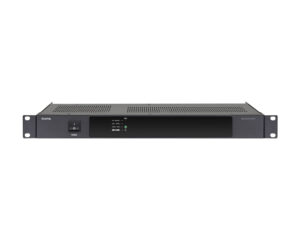
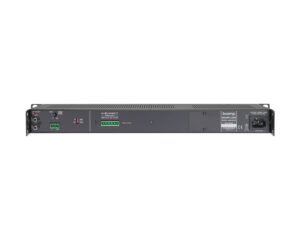
£413.00 inc VAT
£344.17 ex VAT
£344.17 ex VAT
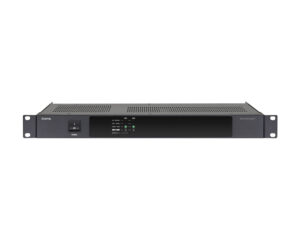
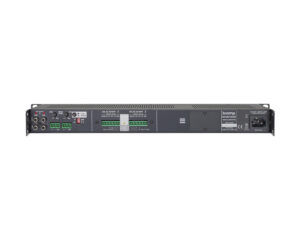
£413.00 inc VAT
£344.17 ex VAT
£344.17 ex VAT
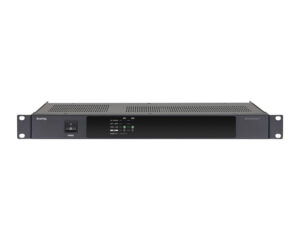
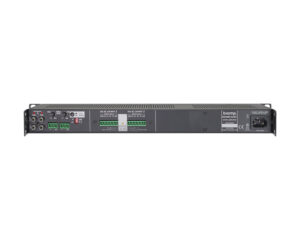
£464.00 inc VAT
£386.67 ex VAT
£386.67 ex VAT
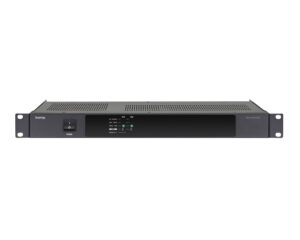
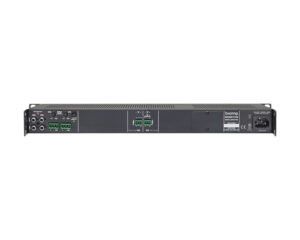
£389.00 inc VAT
£324.17 ex VAT
£324.17 ex VAT
£434.00 inc VAT
£361.67 ex VAT
£361.67 ex VAT
£563.00 inc VAT
£469.17 ex VAT
£469.17 ex VAT
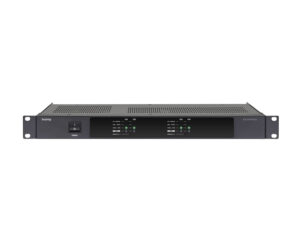
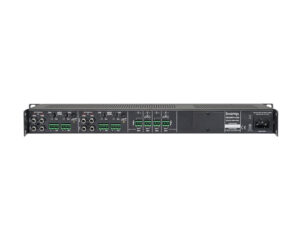
£479.00 inc VAT
£399.17 ex VAT
£399.17 ex VAT
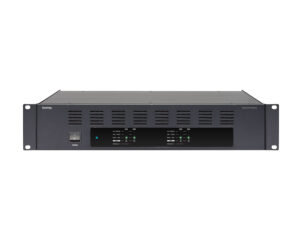
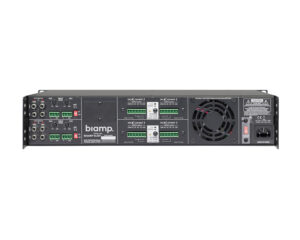
£953.00 inc VAT
£794.17 ex VAT
£794.17 ex VAT
£1,199.00 inc VAT
£999.17 ex VAT
£999.17 ex VAT
£883.00 inc VAT
£735.83 ex VAT
£735.83 ex VAT
£847.00 inc VAT
£705.83 ex VAT
£705.83 ex VAT
£1,043.00 inc VAT
£869.17 ex VAT
£869.17 ex VAT
£1,043.00 inc VAT
£869.17 ex VAT
£869.17 ex VAT
£1,349.00 inc VAT
£1,124.17 ex VAT
£1,124.17 ex VAT
£2,549.00 inc VAT
£2,124.17 ex VAT
£2,124.17 ex VAT
£2,723.00 inc VAT
£2,269.17 ex VAT
£2,269.17 ex VAT
About Installation Amplifiers
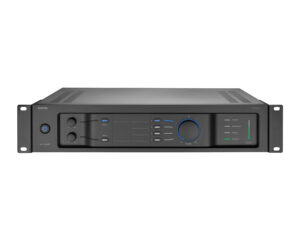
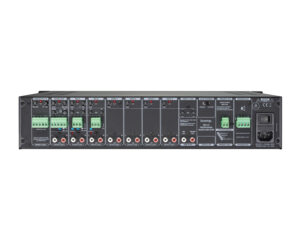
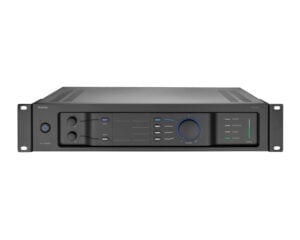
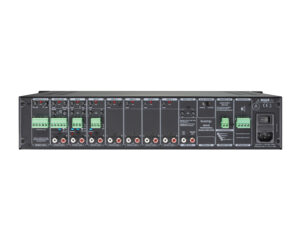
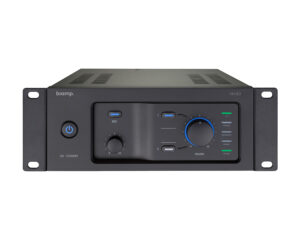
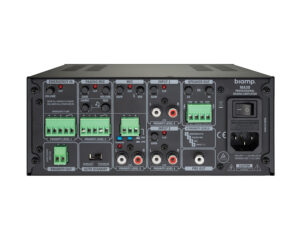
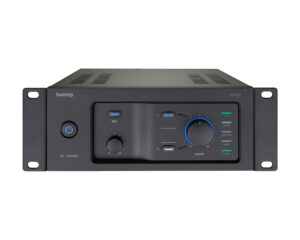
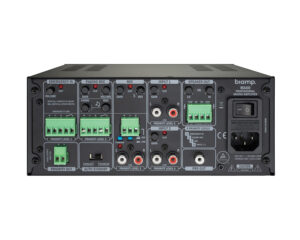
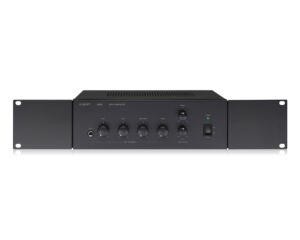
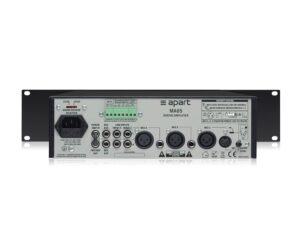
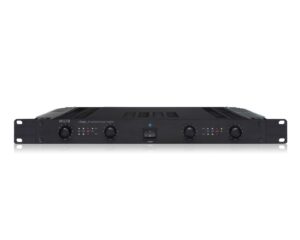
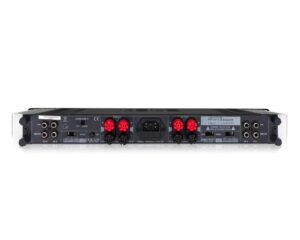
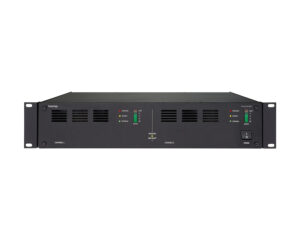
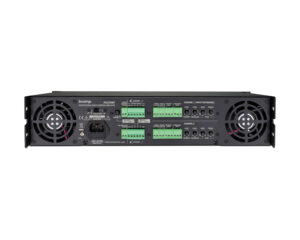
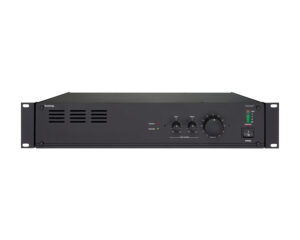
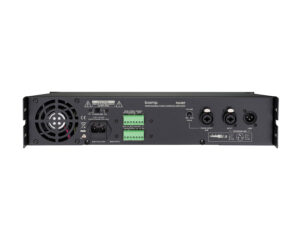
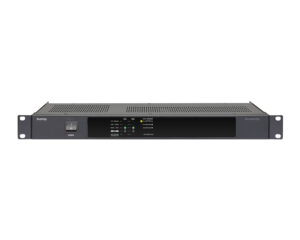
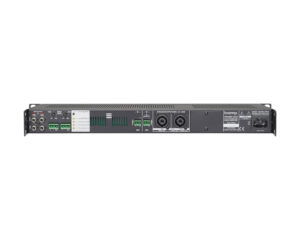
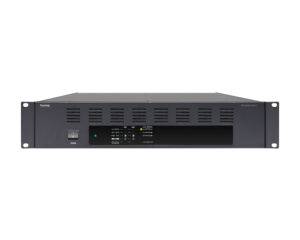
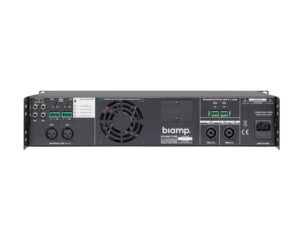
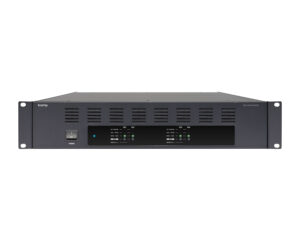
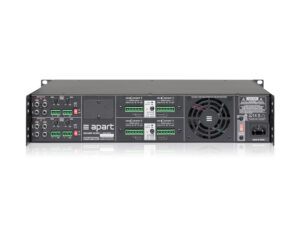
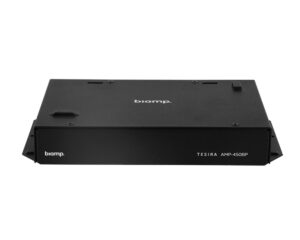
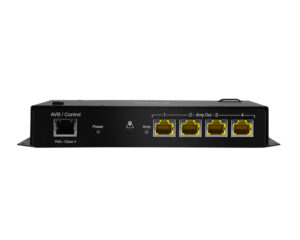
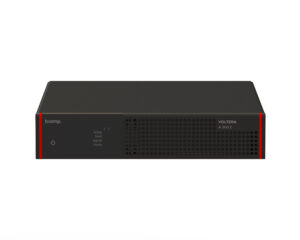
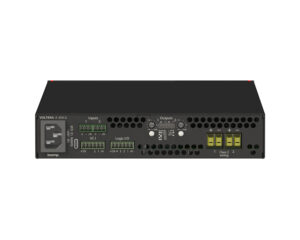
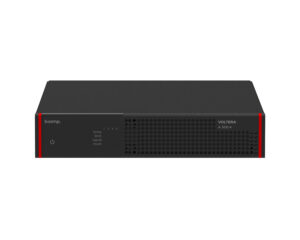
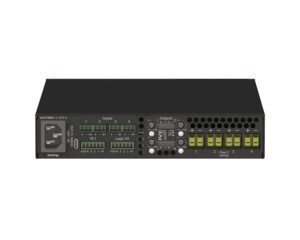
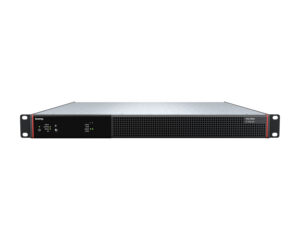
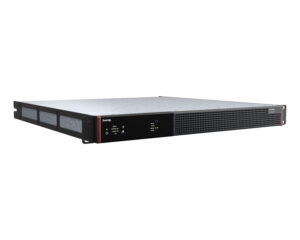
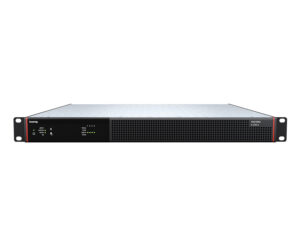
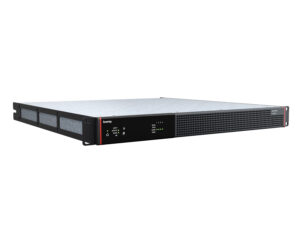
Commercial amplifiers and zone controllers for fixed installation, spanning Optimal Audio’s Zone series, Biamp Apart Revamp Class D units, Cloud DSP amplifiers, Lab Gruppen commercial models, a PoE-powered Dante amplifier from Shure and Linea Research platforms for larger systems. Both 100V line and low impedance outputs are covered, in one and two rack unit formats from two to eight channels.
Match the topology to the speaker plan first. A 100V line amplifier drives long distributed runs feeding many speakers from one channel, which is what most commercial ceilings need. Switchable units handle low impedance foreground zones and 100V duty from the same chassis, which is useful in a building that has both, such as a pub with ceiling speakers throughout and a pair of proper cabinets in the live corner.
If the brief includes source selection or wall panel control, an amplifier and controller in one replaces a rack of separates and makes commissioning far simpler. It also decides how the client’s staff interact with the system, which is worth more than a specification advantage they will never notice. Networked audio changes the wiring entirely: a Dante amplifier taking audio and PoE power over a single network cable suits ceilings and meeting rooms where getting a mains feed to the amplifier position is awkward or expensive.
Count channels against zones and add a spare. Zones multiply during a project far more often than they reduce, and an amplifier at full capacity on day one means a second rack unit at the first change request. Check standby behaviour too, since energy-conscious sites and BREEAM-assessed buildings increasingly ask about idle draw.
Matching speakers, subwoofers and wall controllers sit in the neighbouring install categories. The 100V line and zoning guide covers system design, matching amplifiers and speakers covers the arithmetic, and conference room AV covers meeting spaces.
Install Amplifier FAQs
100V line or low impedance amplifier? Match the topology to the speaker plan: 100V drives long distributed runs of many speakers per channel, the commercial default, while low impedance suits performance zones. Many units here do both; check per-channel switching.
How many channels? One per zone that needs its own level or source, plus spares for the zone the client adds later. Two to eight channels in 1U-2U covers most buildings.
What about control? Wall panels and app control partner specific amplifier families, pair them by range, or send us the zone plan and we will spec it.




